
Memory formation and retrieval are complex processes in the neuroscience of memory. Recent studies have shown how the brain uses special cells to organize moments. A study of 20 patients with drug-resistant epilepsy found “boundary cells” and “event cells” in the brain.
Boundary cells turn on at both small and big changes. Event cells only react to major changes. This research, funded by the NIH BRAIN Initiative, shows that memory storage is best when these cells work together after big changes. People remembered images better after these changes, but struggled with items separated by big divides.
This discovery, backed by 10 NIH institutes, could change treatments for memory disorders like Alzheimer’s. It also links theta rhythm synchronization during deep brain stimulation to better recall. This offers hope for therapies targeting memory retrieval. From quick sensory memory to long-term storage, this article dives into how your brain handles information and what happens when it doesn’t.
Understanding Memory: An Overview
Memory isn’t just one thing; it’s a network of processes. Each type has its own role, like remembering a friend’s birthday or riding a bike. Short-term memory holds info temporarily, like a phone number. On the other hand, long-term memory keeps skills and events for years.
Working memory connects these systems, handling tasks like following a recipe. It’s active, managing data until it’s used or stored. Procedural memory works automatically, like typing or tying shoes, without thinking.
Memory is the diary we all carry about ourselves. – Oscar Wilde
These memory systems help us survive. For example, procedural memory helps us react to danger. Declarative memory keeps facts for future decisions. Knowing how memory works helps us understand why we forget things. It’s not a flaw, but a sign of the brain’s efficiency.
The Science Behind Memory Formation
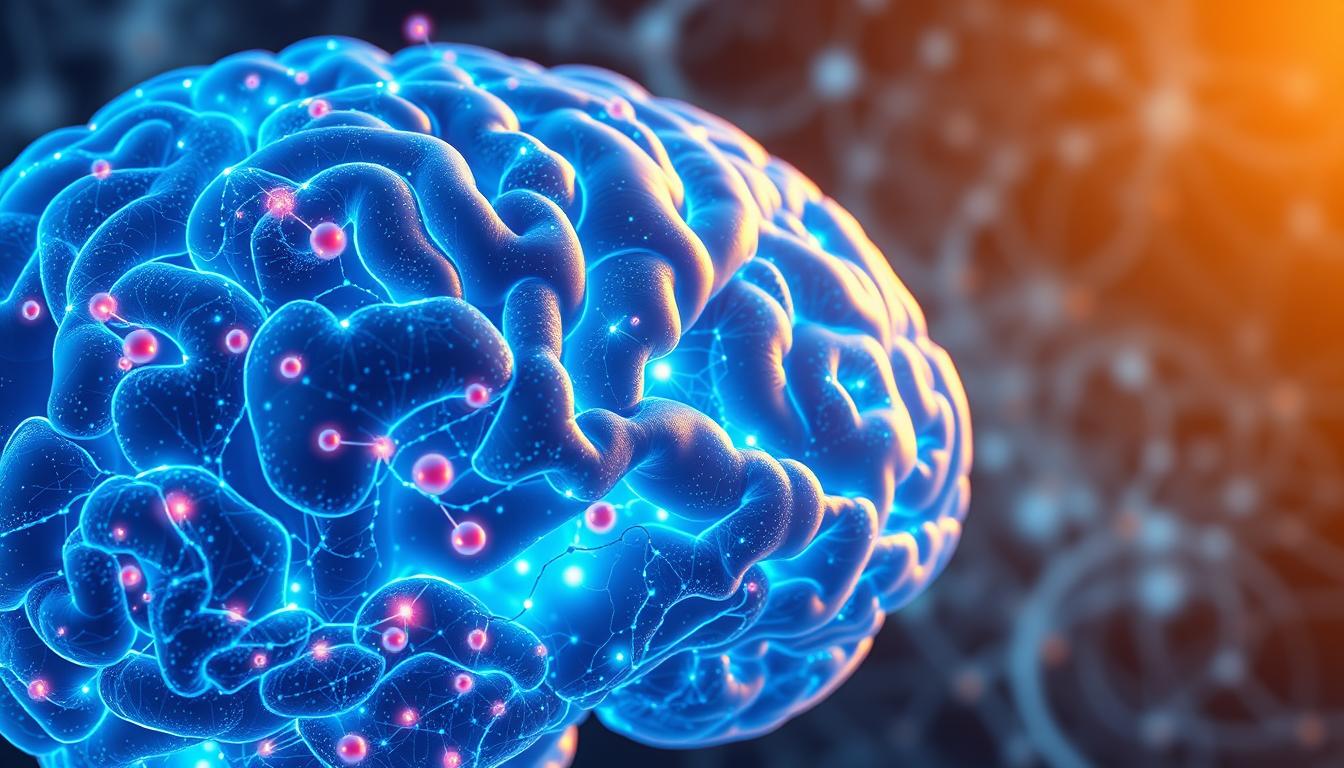
Memory isn’t stored like data on a hard drive. The neuroscience of memory shows it’s shaped by changes in brain cells. When you learn something new, synaptic plasticity makes connections between neurons stronger. These connections are the foundation of the memory formation process.
Over a century ago, scientist Santiago Ramón y Cajal suggested memories change synapses—the gaps between nerve cells. Today’s imaging confirms his idea, showing synapses grow or shrink as we learn.
Neurochemicals like dopamine and serotonin play a key role. They act as messengers, helping neurons talk during memory creation. Neural networks, groups of connected neurons, work together to store experiences. The hippocampus, a seahorse-shaped brain area, links sensory details into memories.

Every time you recall a memory, these pathways get reactivated and strengthened. This system explains why memories can fade or change over time. By understanding these biological basics, researchers are finding ways to help memory health. This includes exercise boosting hippocampus volume and sleep aiding memory consolidation.
Stages of Memory: Encoding, Storage, and Retrieval
Memory begins with memory encoding, where the brain captures and gives meaning to sensory input. Attention is key here: focusing helps the brain remember more. For example, Simon Reinhard remembered 240 digits, showing how focus improves memory.
But distractions can stop this process, leaving information unrecorded.
After encoding, memories move to memory storage. Here, memory consolidation makes them last. Studies suggest changes like DNA methylation help solidify memories. Without consolidation, half of new information might disappear quickly.
Sleep plays a big role in this process, strengthening neural connections while we rest.
“The prefrontal cortex and hippocampus work hand-in-hand to sift through stored data,” explains neuroscientist Howard Eichenbaum. “This teamwork ensures only relevant memories surface during retrieval.”
Memory retrieval is like searching for information. Stress or distractions can mess with this step. Old habits can also get in the way of learning new things.
Techniques like the method of loci help by linking facts to mental maps. Yet, forgetting 20% of details is common, even under the best conditions.
Knowing how memory works helps us understand why some memories last while others fade. By paying attention during encoding and practicing retrieval, we can beat the brain’s natural forgetting curve.
Factors Influencing Memory Retention
Emotions play a big role in memory retention. Emotional memory is stronger because the amygdala and hippocampus team up. But, too much stress hormone cortisol can hurt these memories.
 is linked to brain waves like theta waves. During sleep, the brain moves memories from short-term to long-term. Most of this happens at night, making learning stick through neural replay.
Stress memory can be good or bad. A little stress helps focus, but too much can damage the hippocampus. This shows that just the right amount of stress is best for memory.
Other memory factors include paying attention and repeating what you learn. Learning with focus can boost memory by up to 50%. Habits like exercise and sleep also keep the brain healthy. Finding the right balance helps improve memory and prevent it from getting worse.
Memory Disorders and Their Implications
Memory disorders mess up how our brains store experiences. Conditions like Alzheimer’s and PTSD memory issues affect millions worldwide. Alzheimer’s damages the hippocampus and prefrontal cortex, making it hard to form new memories.
NIH-funded research is looking into how to treat these disorders. It studies how memories are made in the brain.
Traumatic memory problems, like those in PTSD, create strong links in the brain linked to fear. New therapies aim to break these links. This could help reduce scary memories.
Amnesia, which can block new or past memories, often happens after brain injuries or lack of oxygen. Stroke-related vascular dementia also affects memory, changing daily life.
More than 50 million people worldwide live with dementia, a number expected to rise to 152 million by 2050. In the U.S., 6.7 million seniors have Alzheimer’s, with women making up two-thirds of cases. Researchers are testing over 100 Alzheimer’s treatments to slow brain cell decline.
They are also studying how sleep helps with memory. This could help early-stage Alzheimer’s patients remember better.
Living with memory disorders requires strength. Neuroscience shows the brain can adapt, even when parts like the hippocampus shrink. As researchers learn more about memory, they hope to improve life for those facing these challenges.
The Impact of Age on Memory
As we age, our aging memory changes. While memory decline is natural, not all changes mean disease. Skills like vocabulary stay strong, but remembering recent events can get harder.
Studies show that processing speed slows down, making it harder to recall names or details. But, many cognitive abilities adapt.

Scientists say cognitive reserve is key. This “brain resilience” comes from lifelong learning, social ties, and staying active. A 2023 study found exercise boosts neurogenesis, slowing memory decline.
Simple habits like walking or puzzles can strengthen neural connections. This helps delay age-related slowdowns.
“Older adults with higher cognitive reserve show brain activity patterns similar to younger individuals during memory tasks.”
Research shows 70% of 80-year-olds have mild hearing loss, which affects aging memory. Yet, some 80-year-olds outperform younger adults in memory tests. This shows resilience varies.
Lifestyle choices matter a lot. Keeping social bonds, managing blood pressure, and eating brain-healthy diets like the Mediterranean plan can reduce Alzheimer’s risk by 60%.
While brain aging is inevitable, we can stay sharp. Focus on mental challenges, stay active, and move your body. These actions build the cognitive reserve needed to thrive. Memory isn’t destiny—it’s shaped by our choices today.
Enhancing Memory Through Lifestyle Changes
Small daily choices can make a big difference in memory improvement. Physical exercise memory starts with movement. Studies show aerobic activity boosts blood flow to the brain, spurring neuron growth. Aim for 150 weekly minutes of activity like walking or swimming.
Research links exercise to larger hippocampus volumes, key for learning and recall.
Nutrition plays a role too. The Mediterranean diet, rich in fish and vegetables, supports memory nutrition. The MIND diet combines this with dementia-fighting nutrients. Even a daily multivitamin may help older adults retain sharper recall.
Pair these with brain exercises like puzzles or learning new skills to challenge your mind.
Social interaction matters most. A study found regular video calls reduced cognitive decline in seniors. Engage in group activities or conversations to keep neural pathways active. Stress management and 7-9 hours of sleep each night also protect memory storage.
Simple steps like walking, cooking healthy meals, and staying connected add up over time.
Science shows even short-term exercise boosts BDNF, a protein aiding memory formation. Programs combining mental and physical activity, like tai chi, deliver double benefits. Start small—swap a sedentary hour for a walk or cooking a new recipe.
These changes build resilience against age-related decline while improving daily focus and recall.
Cutting-Edge Research in Memory Neuroscience
Memory research is making huge strides with new methods like optogenetics memory. Scientists use light to turn on or off specific brain cells. This lets them control memory manipulation with great precision. It could lead to new treatments for PTSD, but raises big questions about changing our memories.

New imaging systems can show 10,000–20,000 brain cells at once. This is a huge jump from older tech that could only show a few hundred. A $750,000 Air Force grant supports this work, making it more accessible to labs with less money. The system costs $50,000 and can capture fast, detailed images of how memories are stored in the brain.
Studies also show the power of memory enhancement technology as discussed in The Neuroscience of Memory (New Harbinger Publications, 2021). This book offers a seven-step plan to improve memory, based on the brain’s ability to change and adapt. It helps fill the knowledge gap, like how 54% of students don’t realize how much memories affect us.
These breakthroughs offer hope for treating Alzheimer’s, but the ethics of changing memories are debated. As research moves forward, finding a balance between innovation and ethics is essential. This will help us fully understand and use our brain’s capabilities.
Memory and Education: Strategies for Students
Memory learning works best when study methods match how our brains process information. Spaced repetition is a key strategy. It involves studying material over several days or weeks. This method helps strengthen neural connections, just like the brain needs repeated exposure.
For example, reviewing notes two days after a lesson helps more than cramming all at once.
Active recall, like testing yourself, activates key brain areas. This boosts long-term memory. Flashcards or quizzes make studying active, not passive. Studies show this method can improve retention by up to 50%.
Active learning strategies enhance engagement and knowledge retention by stimulating multiple brain areas through group discussions, problem-solving tasks, and experiments.
Interleaving topics during study sessions also helps. It challenges the brain to recognize patterns, deepening understanding. Adding visuals to text (dual coding) strengthens memory even more. For example, drawing diagrams while studying biology terms creates two neural pathways.
Sleep and movement are also important. The brain solidifies memories during sleep, aiming for 7–9 hours nightly. Short walks or stretches between study sessions improve focus. Even simple breathing techniques, like deep nasal breaths, can help with memorization, as a 2016 study found.
By matching study habits with educational memory principles, students can make learning more effective. Start with one technique a week and see how it works. Over time, your brain will adapt, making learning easier and more natural.
Conclusion: Embracing the Power of Memory
Human memory is not perfect but it’s dynamic. It’s shaped by emotion and attention. Advances in memory neuroscience show how the brain picks out important details.
Studies like Ranganath’s show memories focus on key moments. This helps us understand how our brain filters information. By spacing out study sessions or diving deep into material, we can improve memory.
Modern issues like social media’s highlight culture can make things seem too simple. But, knowing how memory works helps us fight this. Techniques like focused attention and spaced repetition match how our memory naturally works.
Scientists like Quiroga say memories are based on abstract summaries, not exact copies. This means active learning is better than just sitting back. New technologies raise questions about fairness and authenticity, but they could help those with memory problems.
Every day, our brains remake memories to fit new information. This is key for survival and growth. By valuing this, we open up chances for cognitive improvement.
Whether we’re studying, aging, or innovating, embracing memory’s flexibility empowers us. The brain’s ability to grow through experience reminds us: memory is not just about the past. It’s a tool to shape our future. Let’s protect, explore, and celebrate our changing mental worlds.