
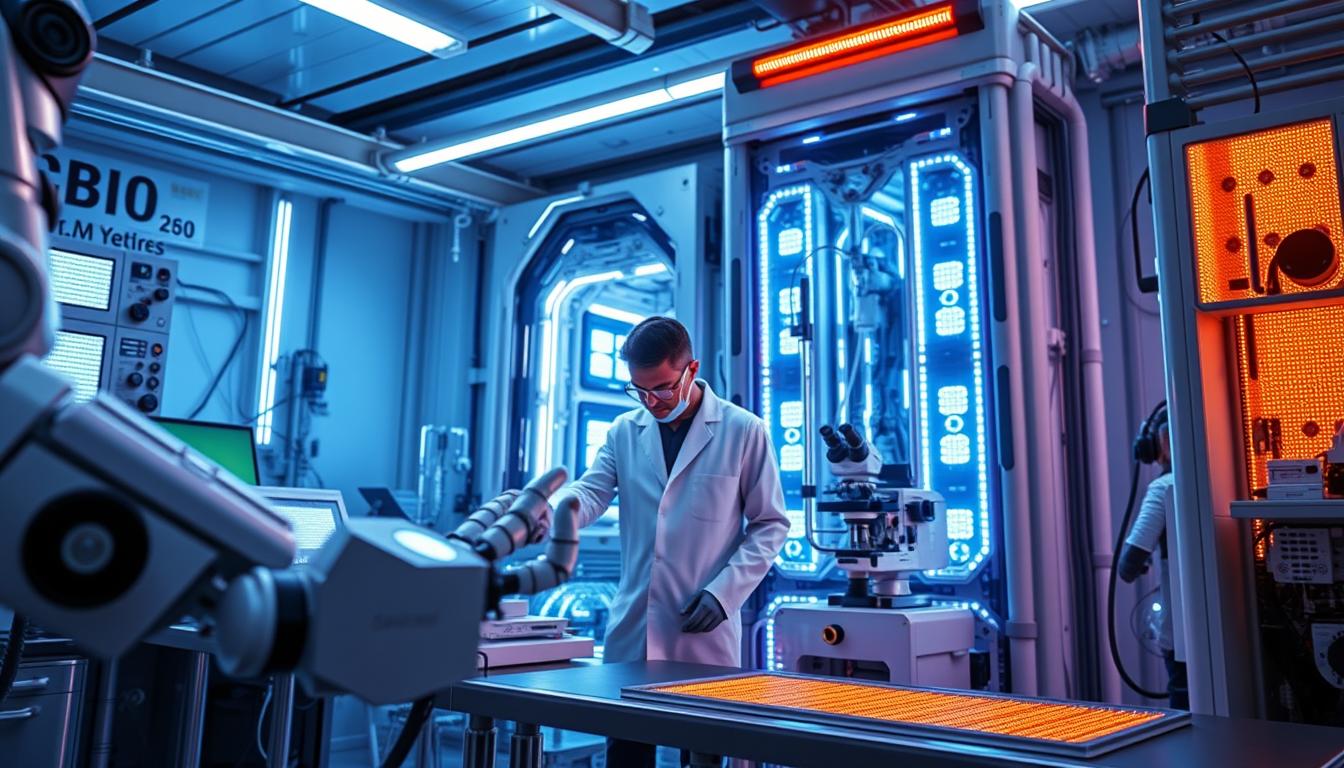
For thousands of years, humans have sought to improve themselves. From ancient remedies to today’s CRISPR gene editing, this drive is constant. Now, biohacking combines biology with advanced tech like wearables and genetic tools.
This technology augmentation is not just a dream of the future. It’s here, with 30% of adults in tech-rich areas using smartwatches to monitor their health. The transhumanism movement brings together DIY innovators and scientists. They explore everything from nootropics to CRISPR gene tweaks.
Today’s body modification includes RFID implants and diets like keto. It’s all thanks to data from blood tests and fitness trackers. Yet, with 50% more people using at-home DNA kits in two years, the line between natural and enhanced is blurring.
As biohacking advances, it raises important questions. Can we safely upgrade our bodies? How do we balance progress with ethics? This journey delves into these challenges and the groundbreaking innovations that are redefining humanity.
What is Biohacking?
Biohacking is about using science and technology to better our health and performance. It lets people control their biology with DIY projects and wearable devices. This approach breaks down old rules between medicine and self-improvement.
The grinder movement is a bold part of biohacking. It involves implanting tech like RFID chips under the skin. The quantified self community uses apps to track health data. Citizen science projects let everyone help with research, like genetic databases.
Nicholas Agar, author of Humanity’s End, notes, “We are no longer living in a time when we can say we either want to enhance or we don’t. We’re already in the age of enhancement.”
Biohacking includes things like diets based on DNA and cold therapy. It raises questions about safety and rules. As it grows, it mixes DIY innovation with traditional medicine.
The Role of Nutrition in Biohacking
Nutrition is key in biohacking. Biohackers see food as instructions for their bodies. They use diets like the ketogenic diet or intermittent fasting to change how their genes work.
Nutrigenomics shows how genes and nutrients interact. This lets biohackers make diets that fit their genetic makeup. Platforms like Nucleus DNA testing help by analyzing genetic data and health metrics.
Intermittent fasting boosts autophagy, and the ketogenic diet makes the body burn fat. Supplements like omega-3, creatine, and adaptogens help fill diet gaps. Tracking biomarkers like cholesterol and vitamin D levels helps fine-tune diets.

Studies show whole foods are better than processed ones. Fruits and vegetables can lower death risks. Ultra-processed foods do the opposite.
Genetic insights help create personalized diets. For example, Nucleus looks at over 170 health conditions to suggest supplements and diet ratios. Dietitians ensure these diets are safe and effective.
Plant-based proteins can lower disease risks, and staying hydrated helps metabolism. Biohackers mix these to create diets that meet their goals. They use science and self-tracking to unlock their full health and performance.
The Importance of Sleep for Optimal Performance
Sleep is key to biohacking, as it sharpens the mind and heals the body. Biohackers use devices like the Oura Ring or Whoop to track their sleep. This helps them get enough
They also hack their circadian rhythm by adjusting light exposure. Morning sunlight and avoiding blue light at night help keep their body clock in sync. This boosts alertness and lowers the risk of insomnia.
Supplements like magnesium and melatonin improve sleep quality. Lithium orotate helps with relaxation. By tracking sleep cycles, biohackers learn when they’re in REM and deep sleep. This guides them to create better sleep routines.
Poor sleep can hurt focus and decision-making. So, biohackers make sure their sleep space is free from EMF and noise. They use tools like white noise machines to help.
Some try biphasic sleep or adjust their room temperature to improve sleep. While supplements and tracking tools are helpful, too much can cause anxiety. Finding a balance between technology and mindful habits is key to making sleep a priority in biohacking.
Mindfulness and Mental Well-being
Mental biohacking mixes old practices with new tools to change how we handle stress and improve focus. Devices like the Muse headband track brainwaves live, turning thoughts into data. They help users see patterns that show calm or focus.

Apps like Headspace or Calm use heart rate sensors to measure stress. They work with wearables to give sessions that lower stress and build strength. Even short daily sessions can change our brain paths over time.
Optimizing the brain through mindfulness goes beyond apps. Biohackers use light therapy to set their body clocks right, affecting mood. Others try binaural beats or VR meditation to focus better. These methods show how tech and mindfulness can tackle mental challenges.
Stress relief isn’t the same for everyone. Biohackers track things like breathing and skin conductance to find what stresses them. Then, they use breathing exercises or biofeedback to fight it. This approach leads to lasting mental clarity through small changes.
Wearable Technology in Biohacking
Wearable technology has changed how we track and improve our health. Tools like fitness trackers and biotracking devices let us monitor health metrics like heart rate and sleep. This data helps us understand ourselves better through continuous monitoring.
Devices like the Oura Ring and Apple Watch give us detailed insights into our sleep and activity. They turn our daily habits into health strategies.
Advanced wearables, such as continuous glucose monitors and EEG headsets, give us real-time feedback. They help us adjust our diets or meditation. Even smart clothing and implantable devices are being explored for health tracking.
In the U.S., over 29% of adults use wearables. Apps like Freeletics and Calm make it easy to track our health. They help us spot trends early, like stress or poor sleep.
Biohackers also customize devices to track specific biomarkers or get feedback for behavior changes. The wearable tech market is growing, with brands like Garmin and Fitbit leading in tracking and stress management.
As wearables get better, we see new possibilities. Closed-loop systems, like automated insulin pumps, are on the horizon. Wearable technology is more than a tool; it’s a path to proactive wellness.
Advanced Biohacking Techniques
CRISPR has changed genetic engineering, making it precise. Scientists use it to fix genes related to diseases or to make muscles grow. DIY biohackers try to modify genes, like the myostatin gene, to get stronger. They also work on gene therapy to improve eyesight.
Implantable technology is growing fast. We see things like NFC chips in biomedical implants. People like Neil Harbisson have tested devices that add new senses, like an internal compass or light sensors. Neural interfaces are also being developed, aiming to connect our brains to computers.
“The biohacking market is projected to grow at a 24.4% CAGR through 2028, driven by demand for cutting-edge health tech.”
But, genetic engineering also raises ethical questions. DIY CRISPR kits can be unsafe, and implants might cause infections or not work right. It’s important to have rules to keep these technologies safe.
CRISPR and biomedical implants are changing what we can do. But, we need to be careful and work together. As we move forward, being open and working together will guide us.
The Role of Exercise in Biohacking
Exercise biohacking combines the latest science with physical training to reach peak performance. The U.S. military’s Tactical Assault Light Operator Suit (TALOS) is a great example. It’s designed to increase strength and endurance with technology.
Even regular athletes can use tools like heart rate monitors and lactate analyzers. These gadgets track data in real-time. They help users adjust their workouts to fit their body’s needs.
“Physical inactivity causes 9% of premature deaths worldwide.” — World Health Organization
Recovery techniques like cryotherapy and hyperbaric oxygen chambers help muscles heal faster. Electrical muscle stimulation also improves movement. Biohackers use infrared saunas and percussion therapy to prevent injuries.
Studies show 60% of U.S. adults don’t meet weekly activity goals. But biohacking offers tailored solutions. For instance, morning workouts help women burn fat, while men see benefits later in the day.
HIIT sessions as short as 10–30 minutes can boost performance. This is proven by heart rate and glucose monitoring.
Advanced methods like structural balance testing ensure safe, effective workouts. By matching exercise with our natural rhythms and genetics, we reduce injury risks and get better results. Even small changes, like daily walks or resistance training, can lower diabetes and dementia risks.
Exercise isn’t just about lifting weights. It’s a data-driven approach to living longer. Start with a 150-minute weekly plan, track your progress, and let science guide you to optimal health.
Neurohacking: Boosting Brain Function
Neurohacking is all about improving focus, memory, and creativity using science. It often involves nootropics, which are substances that help the brain work better. People mix different nootropics to meet their specific needs, like solving problems or handling stress.
Tools like transcranial direct current stimulation (tDCS) use small electrical currents to improve brain connections. Devices from Brain Stimulator, priced between $127–$179, use this technology. Studies have shown tDCS can enhance motor skills and learning.

Companies like Neuralink are working on brain-computer interfaces. They dream of making our brains work better with technology. But, there are hurdles: DIY devices can be risky, and not all nootropics have been studied well. Even simple things like drinking coffee, which billions do every day, show the interest in neurohacking. Yet, experts warn us to be careful and seek medical advice.
“The brain’s plasticity offers untapped untapped untapped untapped untapped untapped untapped untapped untapped untapped untapped untapped untapped untapped untapped untapped untapped untapped untapped untapped untapped untapped untapped untapped untapped untapped untapped untapped untapped untapped untapped untapped untapped untapped untapped untapped untapped untapped untapped untapped untapped untapped untapped untapped untapped untapped untapped untapped untapped untapped untapped untapped untapped untapped untapped untapped untapped untapped untapped untapped untapped untapped untapped untapped untapped untapped untapped untapped untapped untapped untapped untapped untapped untapped untapped untapped untapped untapped untapped untapped untapped untapped untapped untapped untapped untapped untapped untapped untapped untapped untapped untapped untapped untapped untapped untapped untapped untapped untapped untapped untapped untapped untapped untapped untapped untapped untapped untapped untapped untapped untapped untapped untapped untapped untapped untapped untapped untapped untapped untapped untapped untapped untapped untapped untapped untapped untapped untapped untapped untapped untapped untapped untapped untapped untapped untapped untapped untapped untapped untapped untapped untapped untapped untapped untapped untapped untapped untapped untapped untapped untapped untapped untapped untapped untapped untapped untapped untapped untapped untapped untapped untapped untapped untapped untapped untapped untapped untapped untapped untapped untapped untapped untapped untapped untapped untapped untapped untapped untapped untapped untapped untapped untapped untapped untapped untapped untapped untapped untapped untapped untapped untapped untapped untapped untapped untapped untapped untapped untapped untapped untapped untapped untapped untapped untapped untapped untapped untapped untapped untapped untapped untapped untapped untapped untapped untapped untapped untapped untapped untapped untapped untapped untapped untapped untapped untapped untapped untapped untapped untapped untapped untapped untapped untapped untapped untapped untapped untapped untapped untapped untapped untapped untapped untapped untapped untapped untapped untapped untapped untapped untapped untapped untapped untapped untapped untapped untapped untapped untapped untapped untapped untapped untapped untapped untapped untapped untapped untapped untapped untapped untapped untapped untapped untapped untapped untapped untapped untapped untapped untapped untapped untapped untapped untapped untapped untapped untapped untapped untapped untapped untapped untapped untapped untapped untapped untapped untapped untapped untapped untapped untapped untapped untapped untapped untapped untapped untapped untapped untapped untapped untapped untapped untapped untapped untapped untapped untapped untapped untapped untapped untapped untapped untapped untapped untapped untapped untapped untapped untapped untapped untapped untapped untapped untapped untapped untapped untapped untapped untapped untapped untapped untapped untapped untapped untapped untapped untapped untapped untapped untapped untapped untapped untapped untapped untapped untapped untapped untapped untapped untapped untapped untapped untapped untapped untapped untapped untapped untapped untapped untapped untapped untapped untapped untapped untapped untapped untapped untapped untapped untapped untapped untapped untapped untapped untapped untapped untapped untapped untapped untapped untapped untapped untapped untapped untapped untapped untapped untapped untapped untapped untapped untapped untapped untapped untapped untapped untapped untapped untapped untapped untapped untapped untapped untapped untapped untapped untapped untapped untapped untapped untapped untapped untapped untapped untapped untapped untapped untapped untapped untapped untapped untapped untapped untapped untapped untapped untapped untapped untapped untapped untapped untapped untapped untapped untapped untapped untapped untapped untapped untapped untapped untapped untapped untapped untapped untapped untapped untapped untapped untapped untapped untapped untapped untapped untapped untapped untapped untapped untapped untapped untapped untapped untapped untapped untapped untapped untapped untapped untapped untapped untapped untapped untapped untapped untapped untapped untapped untapped untapped untapped untapped untapped untapped untapped untapped untapped untapped untapped untapped untapped untapped untapped untapped untapped untapped untapped untapped untapped untapped untapped untapped untapped untapped untapped untapped untapped untapped untapped untapped untapped untapped untapped untapped untapped untapped untapped untapped untapped untapped untapped untapped untapped untapped untapped untapped untapped untapped untapped untapped untapped untapped untapped untapped untapped untapped untapped untapped untapped untapped untapped untapped untapped untapped untapped untapped untapped untapped untapped untapped untapped untapped untapped untapped untapped untapped untapped untapped untapped untapped untapped untapped untapped untapped untapped untapped untapped untapped untapped untapped untapped untapped untapped untapped untapped untapped untapped untapped untapped untapped untapped untapped untapped untapped untapped untapped untapped untapped untapped untapped untapped untapped untapped untapped untapped untapped untapped untapped untapped untapped untapped untapped untapped untapped untapped untapped untapped untapped untapped untapped untapped untapped untapped untapped untapped untapped untapped untapped untapped untapped untapped untapped untapped untapped untapped untapped untapped untapped untapped untapped untapped untapped untapped untapped untapped untapped untapped untapped untapped untapped untapped untapped untapped untapped untapped untapped untapped untapped untapped untapped untapped untapped untapped untapped untapped untapped untapped untapped untapped untapped untapped untapped untapped untapped untapped untapped untapped untapped untapped untapped untapped untapped untapped untapped untapped untapped untapped untapped untapped untapped untapped untapped untapped untapped untapped untapped untapped untapped untapped untapped untapped untapped untapped untapped untapped untapped untapped untapped untapped untapped untapped untapped untapped untapped untapped untapped untapped untapped untapped untapped untapped untapped untapped untapped untapped untapped untapped untapped untapped untapped untapped untapped untapped untapped untapped untapped untapped untapped untapped untapped untapped untapped untapped untapped untapped untapped untapped untapped untapped untapped untapped untapped untapped untapped untapped untapped untapped untapped untapped untapped untapped untapped untapped untapped untapped untapped untapped untapped untapped untapped untapped untapped untapped untapped untapped untapped untapped untapped untapped untapped untapped untapped untapped untapped untapped untapped untapped untapped untapped untapped untapped untapped untapped untapped untapped untapped untapped untapped untapped untapped untapped untapped untapped untapped untapped untapped untapped untapped untapped untapped untapped untapped untapped untapped untapped untapped untapped untapped untapped untapped untapped untapped untapped untapped untapped untapped untapped untapped untapped untapped untapped untapped untapped untapped untapped untapped untapped untapped untapped untapped untapped untapped untapped untapped untapped untapped untapped untapped untapped untapped untapped untapped untapped untapped untapped untapped untapped untapped untapped untapped untapped untapped untapped untapped untapped untapped untapped untapped untapped untapped untapped untapped untapped untapped untapped untapped untapped untapped untapped untapped untapped untapped untapped untapped untapped untapped untapped untapped untapped untapped untapped untapped untapped untapped untapped untapped untapped untapped untapped untapped untapped untapped untapped untapped untapped untapped untapped untapped untapped untapped untapped untapped untapped untapped untapped untapped untapped untapped untapped untapped untapped untapped untapped untapped untapped untapped untapped untapped untapped untapped untapped untapped untapped untapped untapped untapped untapped untapped untapped untapped untapped untapped untapped untapped untapped untapped untapped untapped untapped untapped untapped untapped untapped untapped untapped untapped untapped untapped untapped untapped untapped untapped untapped untapped untapped untapped untapped untapped untapped untapped untapped untapped untapped untapped untapped untapped untapped untapped untapped untapped untapped untapped untapped untapped untapped untapped untapped untapped untapped untapped untapped untapped untapped untapped untapped untapped untapped untapped untapped untapped untapped untapped untapped untapped untapped untapped untapped untapped untapped untapped untapped untapped untapped untapped untapped untapped untapped untapped untapped untapped untapped untapped untapped untapped untapped untapped untapped untapped untapped untapped untapped untapped untapped untapped untapped untapped untapped untapped untapped untapped untapped untapped untapped untapped untapped untapped untapped untapped untapped untapped untapped untapped untapped untapped untapped untapped untapped untapped untapped untapped untapped untapped untapped untapped untapped untapped untapped untapped untapped untapped untapped untapped untapped untapped untapped untapped untapped untapped untapped untapped untapped untapped untapped untapped untapped untapped untapped untapped untapped untapped untapped untapped untapped untapped untapped untapped untapped untapped untapped untapped untapped untapped untapped untapped untapped untapped untapped untapped untapped untapped untapped untapped untapped untapped
The Future of Biohacking
Technology is moving fast, and future biohacking will change what it means to be human. Imagine having microbes that boost your metabolism or nanobots fixing cells at a tiny level. These ideas show a biotech revolution where humans and machines blend together.
“Technology evolves exponentially, not linearly,” noted inventor Ray Kurzweil. His prediction suggests breakthroughs in human augmentation could arrive faster than expected.
Things like longevity technology—like senolytics to remove aging cells—could make us live longer and healthier. Epigenetic reprogramming might even reverse aging signs. AI could also create health plans based on your DNA. Companies like BioViva are already testing gene therapies for aging, mixing science fiction with reality.
Transhumanism is driving this change, aiming to go beyond our current limits. We might see smart implants, brain-computer interfaces, and lab-grown organs become common. The global personalized medicine market is expected to reach $909.8 billion by 2030, showing a growing need for health solutions tailored to each person.
But there are also big questions about ethics. As we add technology to our bodies, we need to think about safety. The future promises not just longer life but a new level of human ability through the biotech revolution. It’s a time when biology and engineering work together to push our limits.
Community and Collaboration in Biohacking
The biohacker community grows by sharing knowledge. This turns personal curiosity into shared discoveries. Online spaces like Reddit’s r/Biohacking and events like Biohack the Planet bring people together worldwide.
These networks spark new ideas. They make it easier to access DIY labs. Here, tools like portable genomic sequencers and CRISPR kits are affordable, even cheaper than a plane ticket.
Citizen science projects lead to major discoveries. For example, open-source databases map genetic information. Groups like DIYbio.org set rules for safe practices.
Competitions like iGEM also enforce strict bioethics. This mix of open source biology and practical use helps. It includes changing bacteria to fight chronic diseases.
Even with hurdles like laws and safety worries, the biohacker community focuses on learning. Places like BioCurious offer shared spaces for experiments. This makes it easier for more people to join in.
As tools get cheaper, working together becomes key. It ensures progress is both innovative and responsible. This way, science can help humanity safely and for everyone.
Ethical Considerations of Biohacking
Advances in biohacking raise important questions about biohacking ethics. Critics fear that enhancement inequality could widen the gap between those who can afford new technologies and those who can’t. With 94% of rare diseases lacking FDA-approved treatments, the gap is expected to grow as technology advances.
“A global moratorium on making genetically altered children is necessary to prevent unethical CRISPR use.”
Regulatory challenges come as DIY biohackers experiment without oversight. California has banned the sale of DIY gene-editing kits to beginners, but loopholes remain. The FDA’s 3–7 year approval process for medical devices is slow, leading some to skip safety checks. The DIYbio network adopted a 2011 code of ethics, but enforcing it is a challenge.
Bioethics experts warn about the risks of changing human identity. Josiah Zayner’s self-experiment with CRISPR showed the dangers of unregulated responsible innovation. The WHO’s 2019 committee on genome editing highlights the need for caution. Without rules, risks like off-target gene edits or untested cognitive enhancements increase.
As implantable tech like Neuralink enters trials, debates over bioethics grow. Ensuring responsible innovation means balancing safety with progress. The future requires teamwork between regulators, scientists, and communities to make biohacking fair and accountable.
Getting Started with Biohacking
Starting with biohacking is easy. Begin by tracking your health with tools like Fitbit or Apple Watch. These help monitor sleep, heart rate, and activity.
Try new things like changing your bedtime or trying intermittent fasting. Vitamin D supplements or cold showers can also help. Studies show they improve mood and focus.
Look into beginner-friendly options like REVIV’s wellness plans or OsteoStrong’s workouts. These help build strength and health in a safe way. Apps like MyFitnessPal make tracking food easy, and Headspace helps with meditation.
Change one habit at a time, like tracking sleep first. Keep a journal or spreadsheet to note changes. David Sinclair’s work shows small changes can make a big difference. But always talk to a doctor before trying IV drips or hormone therapies.
Join groups like the Biohacking subreddit or local meetups to share your journey. Biohacking is about making small, smart changes. Start with simple steps like walking 10,000 steps a day or cutting down on screen time before bed. Even small actions today can lead to big health improvements over time.