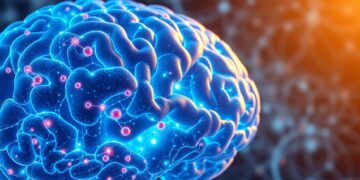
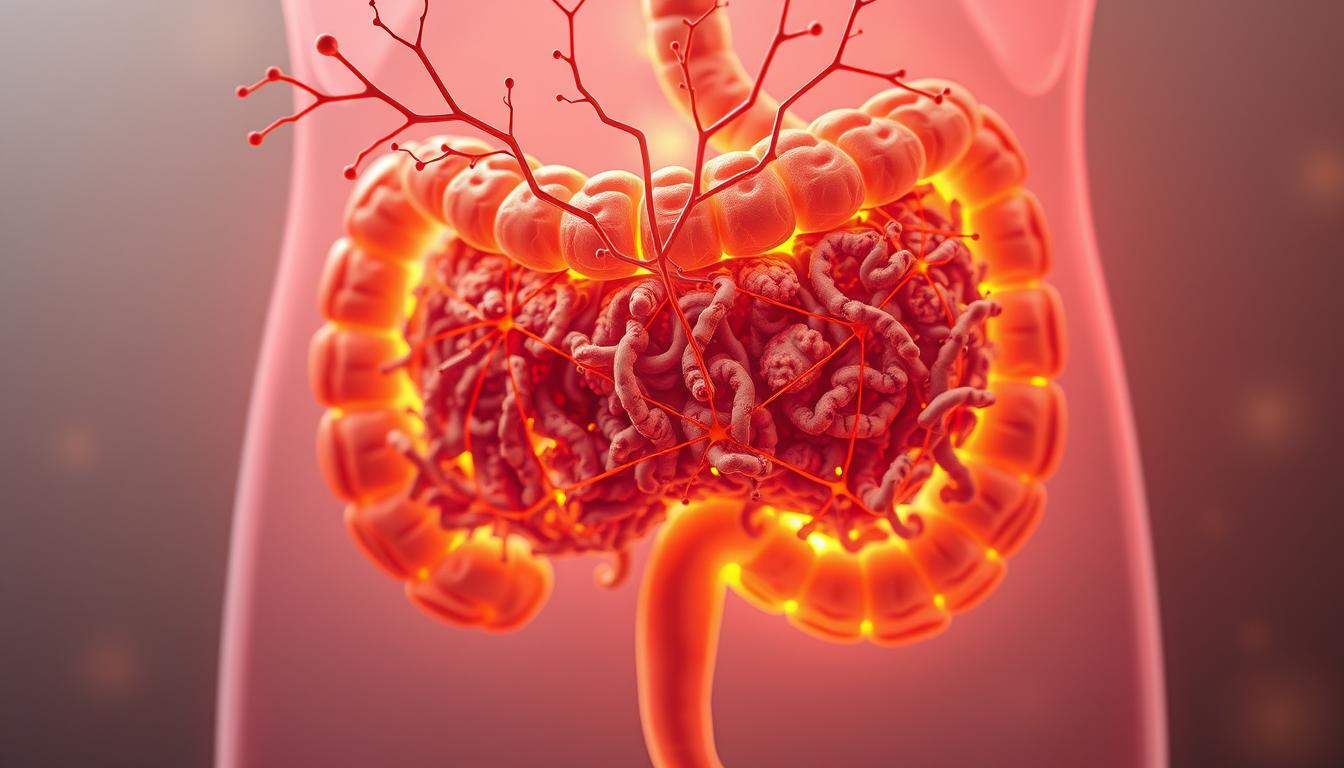
Did you know your gut has over 40 trillion bacteria? This is more than your brain weighs. These bacteria are key to your health, both physically and mentally. Studies show that changing your diet can make you feel better.
For example, eating vegetarian or Mediterranean can lower anxiety by 15%. In a study with 20 adults, anxiety scores went down 15% and depression scores by 41%. This shows how important gut health is for our well-being.
The gut and brain are connected, affecting mood and stress. A 2015 study found that fermented foods can help with social anxiety. Even small diet changes can improve mental health, like cutting 218 calories daily.
95% of our serotonin is made in the gut. Taking care of our gut bacteria is vital for fighting anxiety and depression. It’s not just about digestion; it’s about mental strength.
Every meal you eat affects your gut bacteria. They help reduce inflammation and make neurotransmitters. By understanding the gut-brain connection, we can improve our mood and health.
Understanding the Microbiome: What Is It?
The human microbiome is a huge community of microbes like gut flora, fungi, and viruses. They live in and on our bodies. The intestines are the most crowded, with trillions of microbiota that help with digestion and keep us healthy.
These intestinal bacteria work together. Beneficial bacteria like Bifidobacterium and Lactobacillus make vitamins and fight off bad germs.
Over 20,000 scientific articles on the microbiome were published in 2020, highlighting its growing importance in health research.
Babies first meet microbes at birth. Vaginal births give them a wide range of microbes. C-section babies get microbes from their skin and the environment.
Breastfeeding helps Bifidobacterium grow, which is good for the gut and immune system. As we get older, our microbiome becomes more stable. It’s mostly Bacteroidetes and Firmicutes, with some Actinobacteria helping with digestion.
Microbiome diversity is very important. A balanced mix of species, or microbial balance, fights inflammation and helps us get nutrients. Eating fiber feeds gut flora to make short-chain fatty acids, which are good for the colon.
Fermented foods like yogurt and kimchi add live bacteria. But, processing can kill some of these good bacteria.
Our daily choices affect our microbiome. Antibiotics, stress, and diet can change it for months. Scientists are studying how these changes might lead to diseases like diabetes or heart problems.
Learning about this tiny world is the first step to taking care of it for our whole lives.
The Gut-Brain Connection Explained
The gut and brain talk to each other through the gut-brain axis. This network includes neural pathways and chemical signals. At its heart is the enteric nervous system, a layer of neurons around the digestive tract.
This “second brain” has over 500 million nerve cells. It manages digestion without needing the brain’s help. But how do they stay in sync?
The vagus nerve is the main connection between them. It sends updates from your gut to your brain—and vice versa. Feeling “butterflies” before a big event shows this bidirectional communication at work.
Stress signals from the brain can slow digestion. Gut distress might trigger anxiety. This shows how closely they are connected.

The bacteria in your gut also play a role. They make neurotransmitters like serotonin (90% made in the gut) and GABA. These calm anxiety.
When this system fails, it’s a big deal. People with irritable bowel syndrome (IBS) are twice as likely to have anxiety or depression. The reason? Inflammation from an imbalanced microbiome can reach the brain, causing mood changes.
Understanding this connection opens up new ways to feel better. A healthy gut means clearer thinking, calmer moods, and better digestion. Small steps like eating fiber-rich foods or taking probiotics can start a positive loop between your “second brain” and your mind.
Factors That Affect Your Gut Microbiome
Your gut’s health is influenced by your daily habits. What you eat is key, with food choices explaining 57% of gut changes. Eating processed foods can harm your gut, while fiber-rich foods help.
Antibiotics can also harm your gut, sometimes for months. This can lower the good bacteria in your gut, raising disease risks.
Stress and the environment also affect your gut. Stress hormones like cortisol can change the bacteria in your gut. Pollution and harsh cleaners add to the problem.
These factors can lower the diversity of your gut bacteria, increasing inflammation risks. Even antibiotics in childhood can affect your gut health years later.
Small choices can make a big difference. Eating whole foods, using antibiotics wisely, and managing stress can protect your gut. By doing this, you support a healthy gut ecosystem that boosts your immunity, mood, and overall wellness.
The Link Between Gut Health and Immune Function
Did you know 70–80% of your immune cells live in your gut? A healthy intestinal barrier acts as a shield. It blocks harmful substances while absorbing nutrients. This process shapes mucosal immunity, guiding your body to distinguish threats from harmless particles like food proteins.

When gut permeability weakens, microscopic gaps form in the intestinal lining—a condition called leaky gut. This allows toxins and bacteria fragments to enter the bloodstream, sparking an inflammatory response. Over time, this disrupts immune regulation, increasing risks for allergies, autoimmune issues, or chronic inflammation.
Beneficial bacteria produce anti-inflammatory compounds like short-chain fatty acids. These compounds repair the intestinal barrier and reduce gut permeability. A balanced microbiome also trains immune cells to respond appropriately to invaders without overreacting. By supporting this delicate balance, you bolster your body’s defenses against infections and systemic inflammation.
Exploring Gut Health and Digestive Disorders
Gut dysbiosis, or an imbalance in gut bacteria, is linked to digestive issues. Conditions like irritable bowel syndrome (IBS) and inflammatory bowel disease (IBD) often have less microbial diversity. This imbalance can cause symptoms such as abdominal pain and irregular bowel movements.
In IBD, like Crohn’s disease, gut dysbiosis can lead to chronic inflammation. The exact cause and effect relationship is being studied.
New microbiome treatment options aim to balance gut bacteria. Fecal microbiota transplantation (FMT) has shown great success in treating infections. It outperforms antibiotics in many cases.
Probiotics and personalized diets are also being explored. They target gut dysbiosis to manage symptoms. Studies suggest that changing diets, like reducing processed foods, can help control harmful bacteria.
“Microbiome-based therapies are reshaping care for gastrointestinal disorders, providing tailored solutions instead of one-size-fits-all approaches.”
Despite progress, challenges persist. FMT is not yet a standard treatment for all cases. Diagnostics like stool tests help identify gut dysbiosis.
Researchers are also looking into how gut bacteria affect overall health. This includes heart disease risks and mental health. For now, talking to healthcare providers is essential for those seeking relief from digestive symptoms.
Probiotics and Prebiotics: Friends of the Gut
Beneficial microorganisms in probiotic supplements and live cultures are key to gut health. They are found in foods like yogurt and sauerkraut. These live cultures help balance your microbiome.
A 2017 study showed they can also boost your mood. Probiotics reduced depressive symptoms in clinical trials. Look for supplements with specific strains for anxiety or cognitive support, like Lactobacillus rhamnosus or Bifidobacterium longum.

Combining probiotics with prebiotic fiber has a powerful effect. Foods like garlic, onions, and oats fuel beneficial bacteria. Synbiotics, which mix probiotics and prebiotics, enhance gut health by supporting healthy microbes.
Not all probiotics are the same. Certain strains are better at tackling issues like anxiety or digestive problems. For example, Bifidobacterium longum boosts cognitive function, while Lactobacillus acidophilus helps with digestion. Always check the CFU counts and specific strains on labels for quality.
Find what works best for you. Probiotics can help prevent conditions in newborns, but their effectiveness varies by strain. Combining probiotic supplements with prebiotic-rich diets supports a healthy gut. Small changes, like adding kefir or fiber-rich snacks, can help your microbiome thrive.
The Role of Fermented Foods in Gut Health
For thousands of years, people have used fermentation to keep food fresh and nutritious. Today, we know that fermented foods like kimchi, kefir, kombucha, and sauerkraut are good for us. They are full of natural probiotics, which are good for our gut health. A study in the journal Cell found that eating even a little bit of these foods can make our gut healthier.
These foods are more than just a part of our culture—they are alive. For example, kefir has over 50 types of bacteria and yeast. Kombucha is full of antioxidants. They help our body digest food and fight off bad germs. Eating these foods regularly can help lower stress and prevent diseases.
“Participants eating fermented foods daily saw 19 inflammatory markers drop, while the high-fiber group showed none.”
It’s easy to add these foods to your diet. Try yogurt for breakfast, or sauerkraut on sandwiches or salads. Choose unpasteurized options to keep the live cultures. Even small changes, like drinking kombucha instead of soda, can help. These foods are not only delicious but also connect us to our past and improve our health today.
How to Improve Your Gut Microbiome
Begin your microbiome reset with the Mediterranean diet. This whole foods approach boosts fiber intake with veggies, nuts, and legumes. It helps your gut thrive. Eat 30+ plant-based foods a week to boost plant diversity and microbial strength.

Add polyphenols from dark chocolate, berries, and olive oil. These help good bacteria grow and reduce inflammation. Swap bad snacks for fiber-rich ones like apples or almonds to see gut balance changes in days.
“A healthy gut microbiota is like the Amazon rainforest, full of diversity. It keeps harmful species at bay.”
Exercise boosts microbial diversity. Aim for 7-8 hours of sleep each night. Stress-reducing activities like mindful breathing or walks in nature help gut-brain connection. Small changes, like probiotic yogurt or walnuts, make a big difference over time.
Every small change helps. Even minor tweaks can improve your gut health, boosting immunity and energy. Let your diet reflect nature’s abundance, and your gut will be grateful.
The Future of Microbiome Research and Health
Microbiome testing and gut sequencing are leading to personalized nutrition plans. These plans are based on your unique microbiome profile. Soon, you might know which foods or supplements are best for your gut balance.
Studies show this could improve your metabolism and mental clarity. But when will these tools become common in healthcare?
Fecal transplants, approved for C. difficile, are being tested for autism and obesity. They aim to fix gut imbalances linked to chronic diseases. Precision probiotics, made to target health gaps, are also being developed.
Researchers are using advanced tools to improve microbiome medicine. New sequencing technologies can map gut bacteria in detail. This could lead to new treatments for autoimmune diseases and mental health issues.
But, the microbiome is complex, making one-size-fits-all solutions hard. Dr. Elaine Hsiao says, “The gut’s microbial universe holds clues to diseases we’ve struggled to treat.” The goal is to use microbiome insights in everyday healthcare.
As research advances, the aim is to turn lab discoveries into personalized treatments. Over two-thirds of all microbiome studies have been published in the last eight years.
Conclusion: Embracing a Healthy Gut for Overall Wellness
Your gut microbiome is key to your health, not just digestion. It has 1.3 bacterial cells for every human cell. This balance is vital for making serotonin (95% in the gut) and keeping your immune system strong.
Improving your gut starts with what you eat. Most Americans only get 15-18g of fiber a day. But, you should aim for 38g (men) or 25g (women) daily.
Adding high-fiber foods like oats or lentils can help. Foods with prebiotics, like inulin, also boost good bacteria. And don’t forget about fermented foods like yogurt or kimchi. Making small changes can lead to big improvements.
Exercise, sleep, and managing stress also help your gut. Even small actions, like eating less processed food or trying probiotics, count. Your gut microbiome can adapt to these changes.
Living a gut-friendly lifestyle is more than just diet. It’s about making choices that boost your energy and resilience. Taking care of your gut is the first step to a healthier you.