
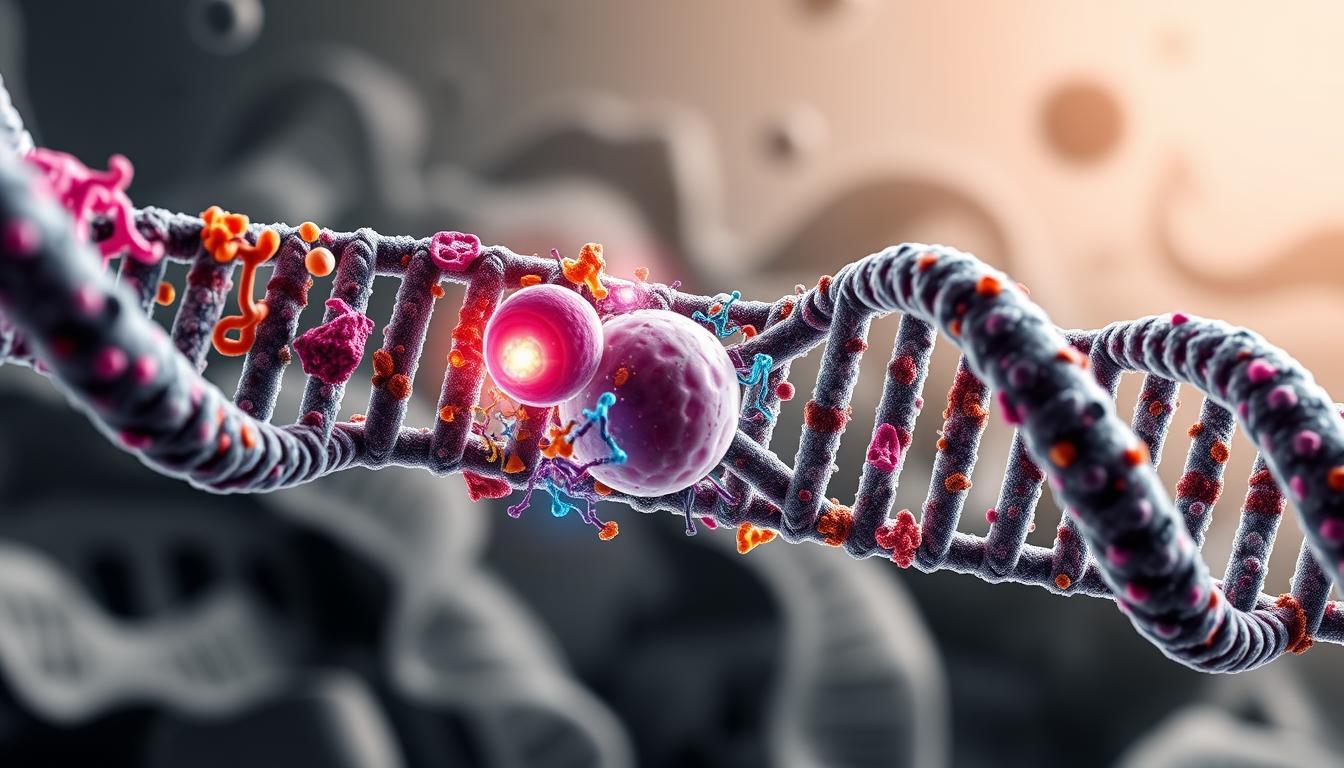
Inside every cell, your DNA is nearly 6 feet long but fits in a space smaller than a speck of dust. It holds the instructions for everything from eye color to disease risk. But what if your surroundings could change how those instructions are read?
That’s the heart of epigenetics. It’s the study of how environmental factors like diet, stress, and toxins can modify DNA without changing its sequence. From a pregnant woman’s folic acid intake to the legacy of smoking in family health, these gene expression changes shape who we are.
Recent studies show smoking grandparents double asthma risks in grandchildren through epigenetic changes. Cold weather activates fat-burning genes, while pollutants like air toxins boost cancer risks by altering DNA accessibility. With over 22,000 readers exploring this topic and a 10 Altmetric score, scientists now see epigenome changes as a bridge between nature and nurture.
This article reveals how your choices and surroundings today might rewrite the genetic future of generations to come.
What is Epigenetics?
Epigenetics is about how our genes can be turned on or off without changing the DNA code. It involves tiny chemical tags attaching to DNA or histones. For example, histone modification can make DNA more or less accessible to genes. On the other hand, DNA methylation adds methyl groups to DNA, often silencing genes.
These changes affect gene regulation without changing the genetic code. This is different from permanent DNA mutations.
Unlike permanent DNA mutations, epigenetic changes are flexible. Newborns start with high DNA methylation levels, which drop as they age. Historical studies show that famine during pregnancy, like the Dutch Hunger Winter, caused lasting epigenetic changes in children.
Even lifestyle choices like smoking leave traces. Long-term smokers often show reduced DNA methylation at the AHRR gene. Quitting can restore some patterns over time.
These epigenetic mechanisms are vital for development but can go awry. Errors here may disrupt gene activity, contributing to diseases like cancer. For example, colorectal cancer screening tools like Cologuard® detect abnormal DNA methylation, showing how these changes reflect health risks.
Understanding these processes helps explain how nature and nurture collaborate to shape who we are.
Epigenetic changes are like a dimmer switch for genes—adjusting their activity without changing the bulb itself.
The Role of DNA Methylation
At the heart of epigenetics lies DNA methylation. This process involves methyl groups attaching to DNA’s CpG islands. These are clusters of cytosine and guanine pairs near gene promoters.
When methyl groups attach, they act like a molecular lock. This triggers gene silencing. It blocks transcription machinery from accessing DNA, changing how genes behave without altering their code.

Enzymes called DNA methyltransferases (DNMTs) drive this process. DNMT1 ensures methylation patterns stay consistent as cells divide. Without DNMTs, mice embryos fail to develop.
Diet also plays a role: nutrients like folate supply the methyl groups needed. For example, male mice fed high-fat diets passed abnormal DNA methylation to daughters’ pancreas genes. This raises diabetes risks.
Studies show environmental factors like poor nutrition or toxins leave lasting epigenetic marks. The 2008 epigenetic trait definition confirms these changes persist across generations. While methyl groups shape health outcomes, reversing harmful methylation remains difficult.
This highlights how lifestyle choices today may echo in future generations’ DNA methylation patterns.
Histone Modification: The Key to Regulation
Inside every cell, histone proteins act like molecular spools, winding DNA into a chromatin structure. This packaging determines which genes are gene accessibility for activation. Small chemical tags—like acetyl groups—attach to histones, altering how tightly DNA coils. Histone acetylation, first discovered in 1964, loosens chromatin, letting transcription machinery reach genes. Enzymes called HATs add these acetyl groups, while HDACs remove them, creating a dynamic on/off switch for genes.
Modifications like methylation add another layer. For instance, H3K27me3 tags silence genes, while H3K4me3 boosts activity. These marks recruit proteins that either open or close chromatin. A 2022 study in Frontiers in Genetics linked specific histone changes to cervical cancer outcomes, highlighting their role in disease. Enzymes like LSD1 and JMJD2 further refine this system, editing existing marks to adapt to cellular needs.
“Histone modifications act as a molecular switch, guiding how genes respond to life’s challenges.”
Environmental factors like diet or stress can trigger these changes. For example, stress signals might boost HDAC activity, tightening chromatin and silencing protective genes. Researchers now explore drugs targeting these enzymes—like HDAC inhibitors—to treat cancer and autoimmune diseases. Understanding these tiny chemical tweaks in epigenetics could unlock personalized therapies, making this a cornerstone of future medicine.
Environmental Factors Influencing Epigenetics
Our surroundings affect how genes work through epigenetics. Environmental exposures like diet, toxins, and stress can change gene activity. For example, eating foods rich in folic acid during pregnancy can help brain development by changing gene access. On the other hand, bad prenatal nutrition may increase disease risks later in life.

Toxin exposure is very important. Pollutants like PAHs and cadmium can mess with DNA methylation, affecting cell function. Smoking toxins can even affect grandchildren, doubling asthma risks. Cold temperatures can also change stress and gene expression, turning fat cells into heat-producing beige cells.
Studies show that stress hormones and pollutants can change histone modifications, making genes more or less active. Even small amounts of BPA, a common chemical, can harm egg development. These changes can be passed down through generations, as seen in rodent studies where paternal stress affects offspring health. Knowing these connections helps us understand how lifestyle choices and surroundings impact long-term health.
Epigenetics and Development
The journey from a single fertilized egg to a complex human body is all about epigenetics. During fetal development, cellular differentiation turns identical cells into different tissues. This is done through precise epigenetic signals that control gene activity.
Early developmental programming shapes our lives. For example, critical windows in pregnancy can change gene activity forever. A mother’s diet, like low folic acid, can affect a child’s risk of metabolic diseases.
Researchers study how epigenetics guides cellular differentiation in organ formation. Mistakes here can mess up growth. Alcohol in pregnancy changes DNA in brain cells, affecting neural pathways.
Developmental programming keeps going after birth. Early nutrition or stress can change metabolic genes, affecting health later. By knowing these critical windows, scientists hope to prevent health risks for future generations.
Epigenetics in Disease
Scientists first linked epigenetics to disease in 1983. They found that epigenetic changes play a big role in many diseases. For example, in cancer epigenetics, cancer cells often turn off genes that stop tumors.
Half of inherited genes that cause cancer, like MGMT and CDKN2B, are silenced by methylation. This lets cancer cells grow without control.

In autoimmune disorders, epigenetic mistakes can mess up immune genes. Tuberculosis bacteria use this to their advantage by silencing the IL-12B gene. This weakens the immune system and helps the bacteria survive.
For neurological conditions, like Alzheimer’s, research is looking into epigenetic treatments. These aim to fix genes that are linked to brain damage. Even stress in early life can leave marks that raise the risk of diseases later on, like schizophrenia or diabetes.
These findings show that cancer epigenetics can be used to diagnose diseases early. For example, checking MLH1 promoter methylation can spot colorectal cancer early. While there are challenges, like side effects of treatments, the fact that epigenetic changes can be reversed gives hope. Researchers are working to fix genes like CDKN2B to stop harmful silencing and bring back healthy gene function.
The Promise of Epigenetic Therapies
Epigenetic therapies are changing the game in cancer treatment. Four FDA-approved epigenetic drugs are already making a difference. Azacitidine and decitabine treat blood cancers by fixing DNA methylation. Vorinostat and romidepsin target lymphomas by fixing histone changes.
DNMT inhibitors like azacitidine help genes that are silenced. HDAC inhibitors, such as vorinostat, keep genes active. These drugs are key for cancers like myelodysplastic syndrome or cutaneous T-cell lymphoma.
Researchers are also looking into using these drugs for autoimmune disorders and neurodegenerative diseases. But, there’s a big challenge: getting the drugs to the right place without harming healthy cells. Despite this, the ability to reverse epigenetic changes is groundbreaking.
Future breakthroughs might use epigenetic biomarkers for personalized cancer treatment. For now, drugs like decitabine show that changing how DNA is read can save lives. As science moves forward, these therapies could change how we treat diseases.
The Future of Epigenetics
Epigenetic research is opening new doors to understanding how our lifestyle and environment affect our health over generations. The discovery of 5-hydroxymethylcytosine, or the “sixth base,” shows how TET enzymes change DNA’s tags. This could lead to treatments for diseases like cancer or Alzheimer’s.

Soon, personalized medicine might use our unique epigenetic profiles to create treatments. Drugs like Vidaza and romidepsin already target cancer cells’ wrong methylation. Next, combining these with CRISPR could edit specific epigenetic markers safely.
Single-cell epigenomics will help scientists track how cells’ chemical tags change. This will guide more precise treatments.
“The Barker hypothesis reminds us that early-life exposures leave lasting imprints.”
Transgenerational epigenetic inheritance is changing how we see genetics. Studies show that stress or diet can change traits passed down through generations. This calls for new ethical rules.
While challenges like drug toxicity exist, labs are working on new treatments. They’re testing antidepressants like tranylcypromine to fight cancer. The aim is to create therapies that safely change disease-prone epigenetic codes.
Myths and Misconceptions About Epigenetics
Epigenetic myths mix science with fiction. A common epigenetic misconception is that Lamarckian inheritance works in humans. This means traits gained in life can be passed to the next generation. But, studies show most epigenetic marks reset in human eggs and sperm.
The Dutch famine of 1944-45 did affect survivors’ children. But, later generations saw no lasting effects. This proves epigenetic determinism is not true for humans.
“Epigenetic changes don’t rewrite DNA, but they can dim or amplify genes,” explains the 2012 Nobel Prize-winning stem cell research. This work showed reprogramming cells doesn’t mean traits are inherited beyond one generation.
Another epigenetics misconception is that lifestyle choices control genes. While diet or stress can influence epigenetics, genes set biological limits. For example, smoking leaves DNA methylation traces, but this doesn’t negate genetic predispositions.
Even the Grail test, which detects cancer via methylation, can’t override inherited risks entirely.
Researchers say epigenetic determinism ignores evolution’s role. Transgenerational effects in mice or worms don’t translate directly to humans. This is because DNA reprogramming is strong at conception.
Epigenetic clocks tracking aging also show these changes aren’t fixed. Exercise or diet might slow some markers, but they can’t reverse aging entirely.
It’s important to separate fact from epigenetic myths. Misleading claims oversimplify complex processes. By understanding limits—like erased marks in human germ cells—we avoid blaming individuals for health outcomes beyond their control. The science is nuanced, and staying informed means embracing its complexity.
How to Support Healthy Epigenetic Changes
Small daily choices can influence your epigenetics. Eating an epigenetic diet rich in fruits, vegetables, and whole grains provides nutrients like folate and antioxidants. These support DNA methylation, a key process in gene regulation. Studies show diets high in plant-based foods, like those followed in the Adventist Health Study, correlate with lower diabetes rates.
Pregnant individuals, for example, can reduce risks by avoiding high-calorie diets post-pregnancy scarcity, which research links to metabolic disorders in offspring.
Avoiding environmental exposures like tobacco smoke and air pollution is vital. Smoking during pregnancy doubles grandchildren’s asthma risk. Even small steps, like choosing organic foods or cleaner environments, can reduce harmful chemical contact. Prioritizing stress management through meditation or exercise also helps.
Chronic stress alters gene expression linked to immunity and aging. Physical activity itself triggers epigenetic changes in muscle tissues, supporting heart and brain health.
While some factors like prenatal nutrition or historical famines affect generations, proactive steps matter. Simple changes—like adding leafy greens, reducing processed foods, or taking short walks—create a foundation. The epigenome’s adaptability means consistent healthy habits can counteract negative patterns.
By making informed choices today, individuals empower their long-term health and that of future generations.