
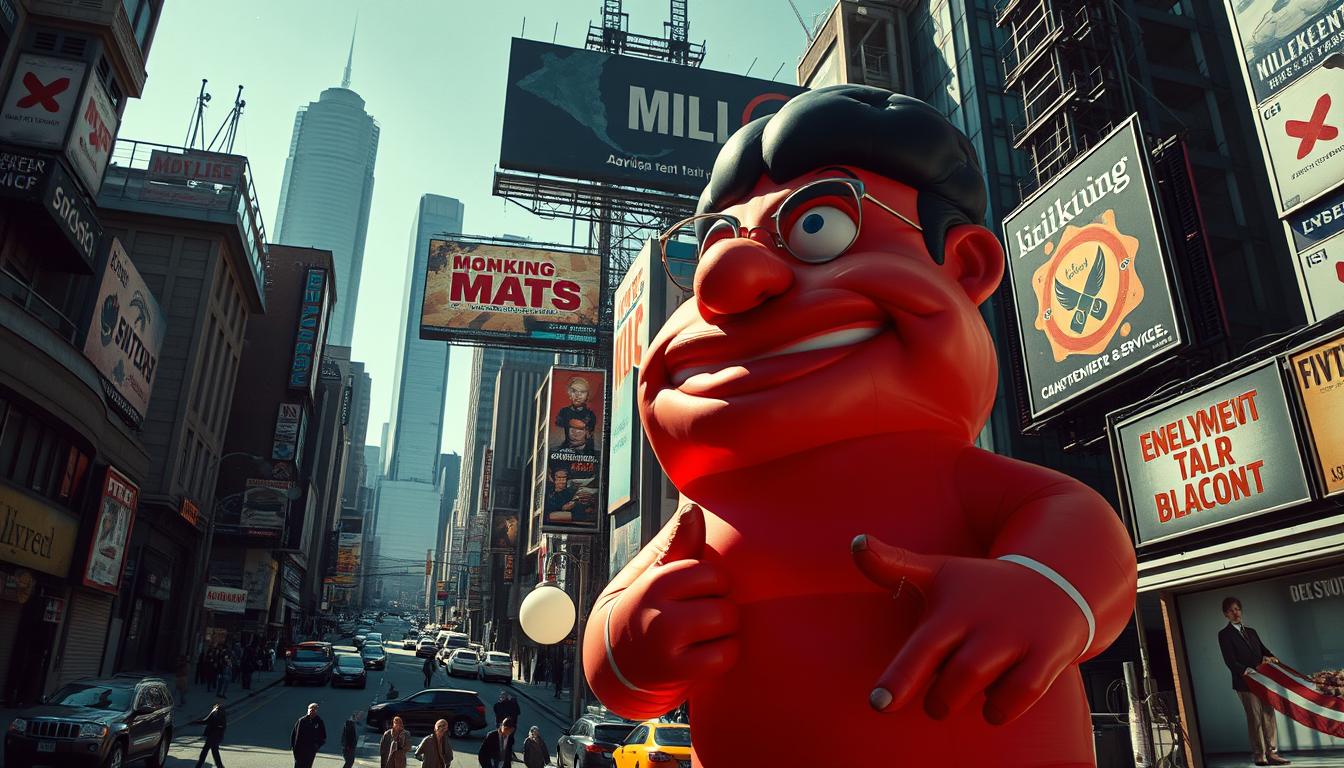
Some of the most shocking ads have also been the most effective. Ford’s 2013 ad that mocked celebrities and Burger King’s Whopper Sacrifice campaign are examples. These campaigns showed that being different can grab attention.
Skittles’ 2017 ad with black-and-white packaging and Poo Pourri’s toilet humor video with 33 million views are other examples. They prove that weird strategies can stand out. Even with controversy, brands like Nivea’s drone sunscreen and Pizza Hut’s perfume samples for followers made a mark.
The “Hold your wee for a Wii” contest by KDND led to a $16.5 million lawsuit, but campaigns like the Subservient Chicken with 46 million hits worked. Heinz’s “Last Drop” video also showed the power of bold choices. Weird ads can spark debate, but they can also be memorable, like Denny’s Twitter success with 250k followers.
Stats show the impact of these campaigns. Nutter Butter’s TikTok views hit 2.9 million, and Andrex’s campaign increased social mentions by 1,694%. This article looks at how weird campaigns balance risk and reward. It shows how brands like Poo Pourri and Burger King turned weirdness into success, and what marketers can learn from them.
Introduction to Bizarre Advertising
In today’s world, ads are everywhere. Brands use the unexpected to grab attention. Burger King’s “Moldy Whopper” and Virgin America’s $97k charity shoe auction are examples. They show that being weird can be effective.
These campaigns use shock to cut through the usual ads. Our brains love new things, so we remember them better.
There’s a science behind these ads. They make us curious, making us stop and think. When we feel surprised or laugh, we want to share. This is why ads like Skittles’ musical parody and Laphroaig Whiskey’s long ad are memorable.
“The most inventive end run in the history of ambush advertising.” — USA Today on Skittles’ Broadway-style ad
Not every risk pays off, like Nivea’s drone ad. But, the rewards can be big. Dollar Shave Club’s viral video caught Unilever’s eye, and Squatty Potty’s unicorn ad boosted sales. Brands aim for creativity while keeping a strategy in mind. Even bad publicity can help.
As ads get stranger, one thing is clear. To stand out, you need to stay in the spotlight.
Iconic Bizarre Campaigns in History
Burger King’s Whopper Sacrifice campaign in 2009 was a shocker. It asked users to delete ten Facebook friends for a free burger. The idea went viral but faced backlash when Facebook banned it for privacy reasons. Yet, it showed how bold ideas can grab headlines.

Burger King’s 2003 Subservient Chicken campaign was another hit. It let users give commands to a man in a chicken suit. This interactive ad drew millions, showing the power of viral marketing.
Apple’s 1984 “1984” commercial aired once during the Super Bowl but became a classic. It didn’t show a Macintosh computer but used symbolism to challenge conformity. This ad’s mystery proved that you can tell a story without showing the product.
Absolut Vodka’s campaign used its bottle in art and ads for decades. This simple approach made the bottle a cultural icon. It showed that you can build a brand without traditional ads.
These campaigns show that taking risks in marketing can make a lasting impact. Their boldness sparked debates but also changed what advertising could do.
Sensational Stunts That Captured Attention
Marketing stunts that shock and delight often leave lasting impressions. Red Bull’s 2012 Stratos jump with Felix Baumgartner is a prime example. This 24-mile skydive, watched by 8 million on YouTube, made the product a global sensation. Brands that use boldness as a strategy are willing to walk the thin line between crazy and clever.
Nivea’s 2020 sunscreen drone, shaped like a seagull, made headlines. Critics found it “disgusting,” but it sparked debate and ensured people remembered the brand. TNT’s “Push to Add Drama” buttons in public spaces also caused chaos, mixing interactivity with surprise.
Even failures can turn into successes. Snapple’s 2014 attempt at a 12-foot popsicle melted into a mess, but it trended on social media. These peculiar marketing successes work because they involve the viewer in the story. LEGO’s 2022 MRI toy donations, for example, turned a health initiative into a heartwarming campaign, showing that impact can come from simple actions.
Brands like Uber used whimsy with helicopter rides, while Jaguar’s 2021 SUV barrel roll at a car show showed off engineering skills. The key is that people remember stunts that ask for action, even if they seem strange.
Outrageous Celebrity Endorsements
Celebrities becoming brand ambassadors can lead to unique brand promotions that surprise everyone. Workday’s 2023 Super Bowl ad is a great example. Ozzy Osbourne and Joan Jett made fun of corporate speak, calling it “rock star employee.” Their innovative advertising approaches used humor to connect with stressed-out workers, mixing realness with fame.
Ryan Reynolds took it up a notch with 1Password. As owner of Wrexham FC, he joked about hacking rival teams. Lady Gaga also mixed tech and art in 2011, though her GL20 Sunglass Camera didn’t make it to market. These viral marketing examples show even failed ideas can create buzz.
Old Spice’s 2010 campaign made Isaiah Mustafa a cultural icon, boosting the brand. Kesha gave out free condoms at concerts in 2011, mixing activism with humor. But, Ashton Kutcher’s 2012 PopChips ad was criticized for its tone-deafness, showing the risks of high-profile partnerships.
From Eminem’s claymation butter ad to Lil’ Romeo’s college promo, these ads work when stars are true to themselves. The secret? Embracing the absurdity. Bold celebrity pairings can turn products into hot topics.
Unconventional Product Launches
Brands are getting bold with bizarre advertising campaigns to make product launches big events. Skittles removed its rainbow logo in 2017 for Pride Month, replacing it with a simple black-and-white package. At first, people were upset, but it showed real support, proving sometimes less is more.
Pizza Hut Canada made a bold move by creating pizza-scented perfume. It was inspired by a meme and became a rare find. On the other hand, IHOP changed its name to “IHOb” to focus on burgers. This stunt got 30 billion media impressions without any ad spending.
“67% of consumers actively tune out ads,” says a Nielsen study. Brands like Taco Bell create unique experiences, like their 2017 hotel takeover. Guests stayed in a Taco Bell-themed space, making the launch memorable.
These campaigns stand out because they surprise us. Nivea’s ad about bird poop sunscreen shocked Cannes but started conversations. Airbnb’s Van Gogh exhibit launch also broke records by linking art to travel. When brands are bold, they create cultural moments, showing that innovative advertising approaches can win over traditional ones. The key is being real and daring.
Guerrilla Marketing: The Unexpected Approach
Guerrilla marketing uses unconventional advertising strategies to make everyday places interactive. For example, UNICEF put vending machines that sold “dirty water” to raise awareness about water scarcity. This started important conversations and raised awareness about big issues.
Volkswagen turned subway stairs into pianos, encouraging people to exercise and share on social media. IKEA made bus shelters into cozy living rooms, showing you don’t need a lot of money for . Even small businesses can use creativity, like pop-ups or viral challenges, to get noticed.
Technology also boosts guerrilla marketing. Samsung’s “Capture The Night” campaign let users pair photos with music using AI, mixing tech with storytelling. Google Pixel’s 3D billboards changed street ads, showing creativity beats big budgets. But, there are risks too: Cartoon Network’s 2007 LED prank cost them $2 million, showing the legal dangers of crossing lines.
KFC’s special Crocs and Burger King’s decaying Whopper are examples of using surprise and relevance to get noticed. Guerrilla marketing’s strength is in turning unexpected moments into lasting memories. It shows that bold ideas can often do more than spending a lot of money.
Ads That Turned Into Viral Challenges
Some of the most viral marketing examples show that the best campaigns get people involved, not just watch. The ALS Ice Bucket Challenge is a great example. It started as a fundraiser but became a big deal worldwide.
People filmed themselves dumping ice water on their heads and tagged friends to do the same. Celebrities like Mark Zuckerberg and Bill Gates joined in. This mix of charity, humor, and social pressure made it a global movement.

Old Spice’s 2012 “Smell Like a Man, Man” campaign is another successful strange advertisement. Actor Isaiah Mustafa made funny video responses to social media comments. This led to 59 million views as people shared the fun exchanges.
Dove’s “Real Beauty Sketches” also challenged beauty stereotypes. It got 180 million views and boosted sales from $2.5B to $4B. By comparing self-perception with an artist’s sketch, it started important conversations about body image.
McDonald’s “Share a Coke” campaign replaced labels with names. It encouraged customers to find personalized bottles and share photos. This shows how viral marketing examples succeed with personal touches.
These campaigns work because they’re easy to join, touch our hearts, and make us feel included. When brands let us help tell the story, being different becomes a plus, not a minus.
Controversial Campaigns That Sparked Debate
Brands often try to grab attention with shocking ad campaigns. But sometimes, these strategies fail miserably. In 2013, Ford India used a Paris Hilton caricature in ads. It showed Kardashian sisters in a car trunk to highlight the trunk space. Critics called it misogynistic, and Ford had to apologize.
Another example is KDND radio’s “Hold Your Wee for a Wii” contest. It led to a fan’s death from water intoxication. This shows how controversial marketing tactics can be deadly.
Even good intentions can go wrong. Pepsi’s 2017 ad with Kendall Jenner was meant to support protests. But it was seen as trivializing activism. It was pulled within a day.
Nike’s Colin Kaepernick campaign faced backlash but showed loyalty by 30% among core audiences. The difference? It was authentic.
Brands like Burger King and NIVEA learned hard lessons. A tweet implying women belong in kitchens and a slogan about white purity caused outrage. Both apologized, but the damage stayed.
The key is to align outrageous marketing campaigns with brand ethics.
Data shows 20% higher brand visibility can come from controversy. But, risks outweigh gains if audiences feel disrespected. Burger King’s “Moldy Whopper” campaign used edginess without offense, boosting engagement. Brands must balance boldness with empathy to avoid becoming examples of how not to market.
Media and Public Reactions
When memorable bizarre commercials hit the public eye, the ripple effects can be massive. Burger King’s “Whopper Sacrifice” campaign asked users to unfriend Facebook friends for free burgers. Over 200,000 people participated, making it headline news. On the other hand, Poo Pourri’s proper British woman video about toilet humor went viral, getting 33 million views. These examples show how bold moves can either fail or succeed, depending on how they’re done.

Attention-grabbing campaigns often get instant feedback. Pepsi’s 2017 ad with Kendall Jenner was criticized for mocking protests and was pulled in 24 hours. Dolce & Gabbana’s 2018 ad was also slammed for cultural insensitivity, leading to global backlash and lost market access. But Nike’s Colin Kaepernick campaign, despite criticism, saw a 31% sales increase, showing different outcomes.
Public reactions now shape campaigns in real time. Brands like Gillette faced boycotts after their “We Believe” ad but didn’t see sales drops. H&M’s 2018 racial insensitivity blunder led to quick apologies and policy changes. The main lesson? People want authenticity. Without it, even the most unique ads can fall apart.
Lessons Learned from Successful Bizarre Campaigns
Every successful strange advertisement is a mix of risk and knowing the audience. Brands like Denny’s and Skittles show that mixing innovative advertising approaches with their values works. Being true to the brand is key, even with weird content.
The Penny Hoarder spent just $0.40 per visitor with a $45 sticker campaign. This shows bizarre advertising campaigns can work on a small budget. Creativity beats big budgets when the idea hits home. Blendtec’s “Will It Blend?” videos, for example, used humor to show off their products, getting millions of views without spending much.
“When a brand tries something different and wacky it can be awesome. It challenges the norm but risks tragedy if not socially conscious.”
Timing and purpose are everything. Instructure’s “Walking Dead” MOOC campaign got 600+ media mentions by using pop culture. Grasshopper’s campaign with chocolate-covered insects shocked people, changing how they saw the brand.
Studies show 90% of people like unique campaigns, like treadmill runs for leukemia awareness. But, brands must be careful not to offend. Always test ideas with different teams before sharing. Look at shares, media mentions, and how the brand is seen over time.
Campaigns like TNT’s Drama Button and Samsung’s sheep art show that successful strange advertisements need to be real, timely, and respectful. The goal is to make a real connection, not just to shock.
Future of Bizarre Advertising Campaigns
Unconventional advertising strategies are changing how brands reach out to people. Imagine using virtual reality to see products in impossible places—a car floating or a coffee smelling like a forest. As technology advances, these creative ads will become more common. Companies like Nike and Coca-Cola are already using augmented reality to mix the real and digital worlds, showing how unique ads can grab attention.

Younger people want realness from brands. Gen Z wants brands to talk about big issues like climate change or social justice. Companies like Patagonia and Ben & Jerry’s have done well by linking their products to important causes. This shows that bold messages can really connect with people.
Brands will focus more on making emotional connections than just selling. AI could make ads that feel personal and relevant, without being too much. This way, ads will feel more like a conversation than a sales pitch.
But, there are challenges. While most people like funny ads, some industries, like finance, are too serious. Finding the right balance between being creative and safe is important. Brands like Old Spice and Wendy’s show that humor can work in unexpected places.
As people get busier, ads will need to be quick and engaging. Short videos and interactive social media challenges will become more popular, thanks to TikTok. Brands that are brave enough to mix technology, ethics, and creativity will stand out.
Expect to see more ads that use all your senses—like scented ads or feeling things in VR. The future belongs to those who are bold and original. Brands that stick to old ways will get left behind.
Conclusion: Embracing the Weird
Weird marketing stunts, like Heinz’s special ketchup, show how breaking norms can make a brand unforgettable. Dove’s body-positive ads and Heineken’s gaming partnerships are examples of bold ideas grabbing attention. But, it’s easy to cross the line from creative to reckless.
Controversial tactics, like Cadillac Allante’s expensive ads or Megan Thee Stallion’s Flamin’ Hot deals, work if they match the brand’s values. For example, supporting HBCU scholarships through product launches.
Studies show that campaigns like Coca-Cola’s AI-driven “Create Real Magic” or 1Password’s funny ads do well when they touch our hearts. But, Source 3 warns that ignoring social context can lead to backlash. Brands like Budweiser and Michelob show that being bold can work if it meets audience needs.
Brands like McDonald’s, with ads for seniors or kids, show that strategy is as important as creativity. Successful campaigns mix weirdness with a clear purpose. Brands that do this, like Dove and 1Password, build trust.
The future favors brands that are willing to try new things, but only if they stay true to themselves. The goal is to stand out without losing your audience. The right weird idea can make a product legendary.