For centuries, the idea of “healing thoughts” was seen as mystical or exploitative. But today, science is showing us how the mind and body are connected. Studies show that up to 60% of people feel less pain after taking a placebo pill.
This isn’t about magic—it’s about biology. Our brains can actually change our bodies.
Take knee surgery for arthritis, for example. A 2002 study of 180 patients found that fake procedures worked just as well as real ones. The American Academy of Orthopaedic Surgeons now advises against routine knee arthroscopy for arthritis.
This change saves patients from unnecessary costs and risks. These findings show that self-healing is real and based on brain activity and belief.
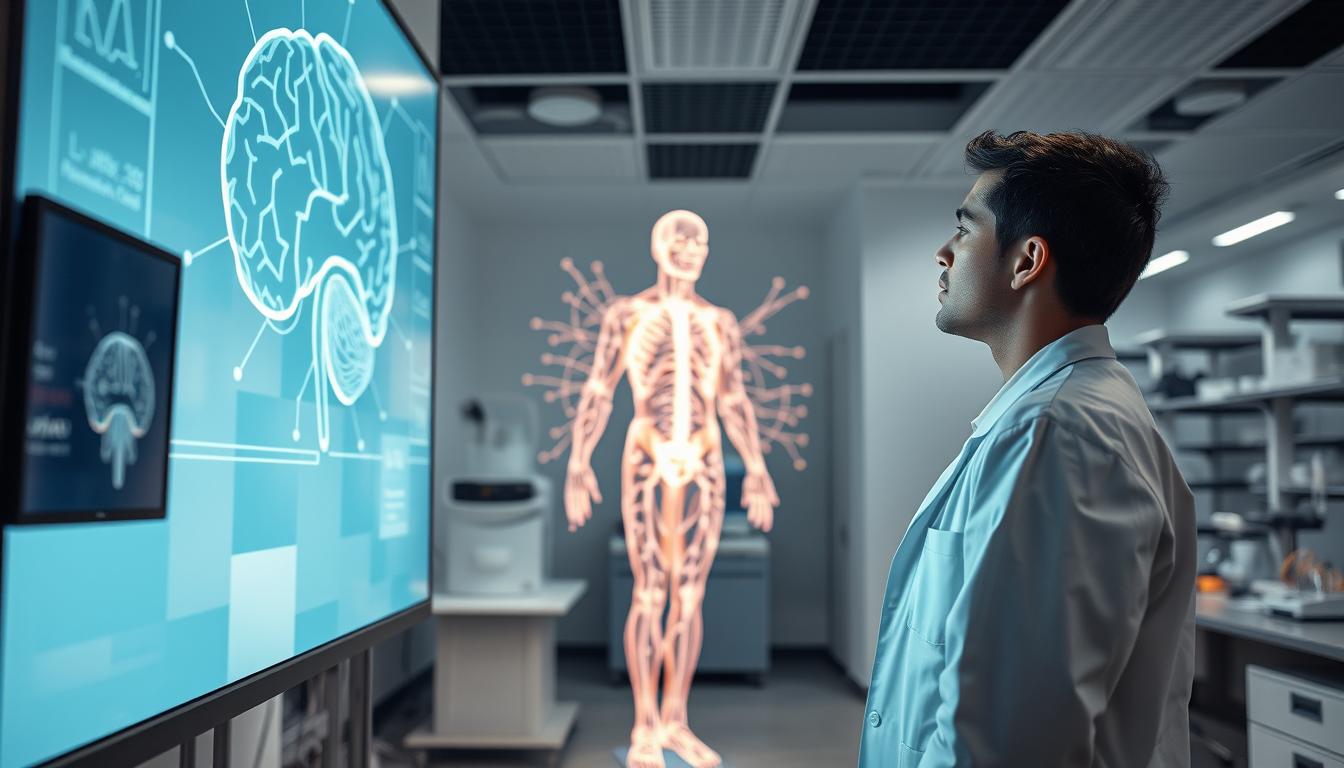
Modern research shows that healing thoughts can really help. They can reduce migraine pain and improve depression symptoms. By understanding how our expectations and trust in care affect our health, we’re changing medicine.
This article explores how your mind’s power could be your body’s next treatment.
Understanding the Placebo Effect
The placebo response is real and not just a myth. It shows how our brain’s expectations can change our body. Even a simple sugar pill or fake surgery can help with pain, anxiety, or depression. This is because our brain can heal based on what we believe, our environment, and how we interact with others.
Placebos have been around for ages, but scientists really started studying them in the 1940s. Henry Beecher found that up to 62% of antidepressant trial results come from the placebo effect. Today, up to 68% of pain relief in trials comes from the placebo response alone.
But there’s also a dark side. The nocebo effect happens when negative thoughts make symptoms worse. For example, if someone expects a treatment to cause nausea, they might feel sick even with a placebo. Both effects show how our brain plays a big role in our health, releasing chemicals like endorphins or dopamine when we have positive thoughts.
Now, medicine sees this as a real neurobiological process, not just a trick of the mind. Knowing this could help doctors improve care. They can use treatments that work along with ways to boost patient trust and hope.
The Science Behind the Placebo Effect
Scientists have found out how the brain health connection works in the placebo effect. When people believe in a treatment, even if it’s fake, their brains release chemicals like endorphins and dopamine. This is true for pain relief and even for conditions like Parkinson’s, where the brain gets a dopamine boost from fake pills.
Brain scans show what happens in the brain when we use placebos. The parts of the brain that control feelings and pain get active. A study showed that calling a milkshake “indulgent” can make people feel less hungry than calling it “sensible.” This shows that our minds can really change our body’s chemistry.
Placebos can even affect our immune system. In asthma studies, fake treatments worked just as well as real ones in how patients felt. But, when doctors looked at lung function, there were differences. This shows how our minds can affect our bodies in different ways.
Most studies look at the short-term effects of placebos. But, even when people know they’re taking sugar pills, they can find relief from chronic pain and IBS. This shows that our minds keep playing a big role in healing, even when we know the truth.
Types of Placebos
Placebos can be many things, like sugar pills or fake surgeries. A 2021 study tested four groups of 28 healthy volunteers at high altitudes. They got no treatment, placebo oxygen, placebo aspirin, or a mix. The study found that placebo effect responses were all over the map.
For example, placebo aspirin cut down on pain and inflammation markers. Placebo oxygen, on the other hand, made breathing rates go down. These results show how our minds can change our bodies through what we think.
Physical placebos include pills, injections, and even fake devices. A 2014 German study found that capsules work better than pills, and injections better than both. Even just a doctor’s words can trigger the placebo effect.
A 2008 analysis found that 82% of antidepressant response came from the placebo, not the drug. Sham surgeries, like fake knee arthroscopy, can even relieve pain as well as real ones in some cases.
Health psychology helps us understand why some placebos work better. Bright colors, branded packaging, or a doctor’s words can make them more effective. A 2015 study showed that even when patients knew they were getting a placebo, it could help with IBS symptoms.
The key is trust. When patients believe in the treatment, their brain releases chemicals like endorphins. These chemicals can change pain signals or inflammation levels. This shows how powerful our minds are in healing.
The Role of the Patient-Provider Relationship
The bond between a patient and their doctor is more than just medical advice. It’s a partnership that boosts healing and health psychology. When doctors show confidence and warmth, patients’ minds often improve. A study showed 78% of patients with chronic pain felt better after empathetic care.

Empathy changes care. When providers listen and explain treatments well, patients’ brains release oxytocin. This reduces stress and boosts placebo effects. Research found that caring doctors can cut pain by up to 35% in surgeries.
Even a quick glance from a doctor can build trust. This can lead to physical changes that help in healing.
Health psychology shows how positive thoughts, shared with the doctor, can beat negative symptoms. For example, clear explanations of treatment benefits can boost the immune system. Studies show 50% of doctors with empathetic skills see better results. Training in mind-body interactions could make every visit a healing moment.
The Ethical Implications of Placebo Use
Using placebos in medicine raises big questions about honesty and care. Health psychology shows that even when patients know they’re taking a placebo, they can feel better. Studies like Kaptchuk et al.’s 2010 trial found open-label placebos helped with IBS symptoms, showing we don’t always need to deceive.
This changes how we see ethics. Being open could balance benefits with keeping trust.
Ethical rules say placebos are okay when no proven treatments exist or when risks are low. For example, trials for Alzheimer’s prevention or male pattern baldness might use placebos without harming participants. But some argue it’s unfair to withhold effective treatments for research.
The brain health connection here is about respecting patient autonomy.
Open-label placebos offer a compromise. Carvalho’s 2016 study showed back pain patients improved when told they were taking inactive pills. This approach respects patient rights while using the placebo effect’s power. Health psychology research suggests honest communication could boost trust, making treatments more effective.
Medical ethics also aim to minimize harm. When placebos delay proven therapies, risks increase. CIOMS guidelines say trials should avoid depriving participants of existing care. Balancing science and ethics means putting patient safety first while exploring how the placebo effect can support, not replace, evidence-based medicine.
The Placebo Effect Across Cultures
Cultural beliefs play a big role in how we heal. In Germany, pills for ulcers work better than in Brazil. This shows how expectations of healing vary worldwide. Pain relief from placebos also changes between Eastern and Western cultures, showing the impact of cultural norms.

Studies show that how we respond to placebos depends on our culture. For example, acupuncture is more effective in East Asia, where it’s a long-standing tradition. A study on IBS found that patients given fake pills labeled as “powerful medication” showed improvement. This shows how much trust in medicine affects results.
How we believe in treatment matters too. Placebos given through needles or in clinical settings work better. This matches how cultural values like authority and ritual boost our mind’s healing power. Even our genes and brain receptors react differently based on what we believe.
Knowing these differences helps tailor healthcare to each person. By honoring cultural practices, doctors can use the placebo effect in a good way. This mix of modern medicine and tradition boosts self-healing. It shows that healing is as much about believing as it is about biology.
Challenges in Researching Placebos
Despite thousands of studies on the placebo effect, researchers face many challenges. Over the last 20 years, Physical and Rehabilitation Medicine trials have grown a lot. Yet, different methods and control groups slow down progress.
It’s hard to keep participants unaware of the treatment when it’s something like acupuncture or counseling. Patients can tell if they’re getting fake needles or scripted talks.
Measuring things like pain or fatigue is tricky because it depends on what patients say. Health psychology studies show that what patients expect and how they feel about their doctor can affect their symptoms. Brain scans show how our brains respond to treatments, but linking these to real-life results is hard.
Long-term trials raise ethical questions, like when delaying real treatment could harm patients. Using waitlists as control groups can also skew results. A 2018 study found that things like empathy and rapport in therapy can make it hard to find the true placebo effect.
New tools are needed to standardize research. Machine learning and affective computing could help by analyzing nonverbal cues in therapy. Experts say researchers should be open about their methods. Without solving these issues, fully understanding the placebo effect in healthcare is a big challenge.
The Impact of Placebo on Chronic Pain Management
Pain management for chronic conditions goes beyond just medication. The mind’s power to heal, or mind power healing, is key. People with chronic pain, like burn victims, have found relief through new methods like Snow World, a virtual reality system. It reduces pain by 15–40% more than drugs alone, showing the brain’s ability to change pain perception.
Studies show that up to 35% of patients in placebo groups feel real pain relief. This matches findings that opioid-blocking drugs like naloxone lessen placebo effects. It shows the brain’s natural painkillers at work. For instance, Parkinson’s patients given fake pills saw dopamine spikes like real meds, proving mental healing’s biological basis.

Today’s pain management combines science and psychology. Tools like virtual reality, mindfulness, and positive doctor talks boost treatment results. These methods use expectation and focus to change pain signals. Even short positive talks can help, while negative ones can make pain worse. This shows how our mental state affects our body’s feelings.
While not a cure alone, these methods cut down on medication and side effects. Mixing them with traditional treatments offers a complete approach. The mind’s role in pain relief is not just wishful thinking—it’s a proven way to improve health.
Future Directions in Placebo Research
Researchers are looking into how the placebo effect can change treatments. They dream of apps that adjust to your brain or virtual reality for pain relief. These ideas could soon be part of our healthcare.
“We’ve only scratched the surface of what we’re capable of,” say experts. “Psychology matters far more than medicine once thought.”
Advances in health psychology might soon find out who responds best to placebos. Brain scans and genetic tests could help. Machine learning could also guess who will benefit most from these treatments, cutting down on drugs.
Studies show 30% of patients in antidepressant trials get better with placebos alone. This suggests a huge untapped area of research.
Smartphone apps are already testing digital placebos for anxiety and depression. Brain imaging shows how brain healing works during placebo treatments. This could lead to new ways to naturally reduce pain.
Medical schools might start teaching health psychology alongside medicine. Training doctors to be empathetic could make placebos even more effective. There are challenges ahead, but the future looks bright for combining mind and medicine.
Harnessing the Placebo Effect for Personal Health
Your mind has amazing power to help your body heal. Studies show that what you believe can speed up recovery. For instance, thinking a wound is healing faster can make it happen. This shows that self-healing is not just physical, but also mental.

Begin with small steps. Mindfulness therapy helps you stay in the moment, reducing stress. Imagine your health improving while doing everyday tasks. These actions create mental signals that your body responds to.
Trust in your healthcare matters a lot. Patients who felt their doctors cared for them did better. When at the doctor, let their reassurance work for you. Even small things, like a calm room or clear explanations, can help.
But remember, these aren’t magic solutions. They’re tools to support your medical care. Using them with treatments can unlock your body’s healing power. Your brain is a powerful ally in your health journey.
Conclusion: The Power of the Mind in Medicine
The mind-body connection changes how we see healing. Studies show that open-label placebos can lessen chronic pain and improve IBS symptoms. This shows that healing can happen even when we know we’re not getting real treatment.
This healing isn’t just in our heads. It actually changes our bodies, like reducing inflammation and changing brain activity.
Research finds that over half of antidepressant trials see big improvements with placebos. Doctors in Denmark and Israel use honest placebos to calm anxious patients. This shows that using placebos can be ethical and effective.
Future medicine might use AI to find who benefits most from placebos. This could make care more personal. But, cultural differences affect how placebos work. For example, Brazil sees lower rates for ulcers, while Germany sees higher responses.
Modern healthcare needs to use both mental and physical strategies. By recognizing the mind’s power, we can use fewer drugs. This lets patients take a more active role in their healing. The brain’s healing power is real and waiting to be fully understood.
As research goes on, medicine and the mind will become more connected. This will lead to a healthier future for everyone.