
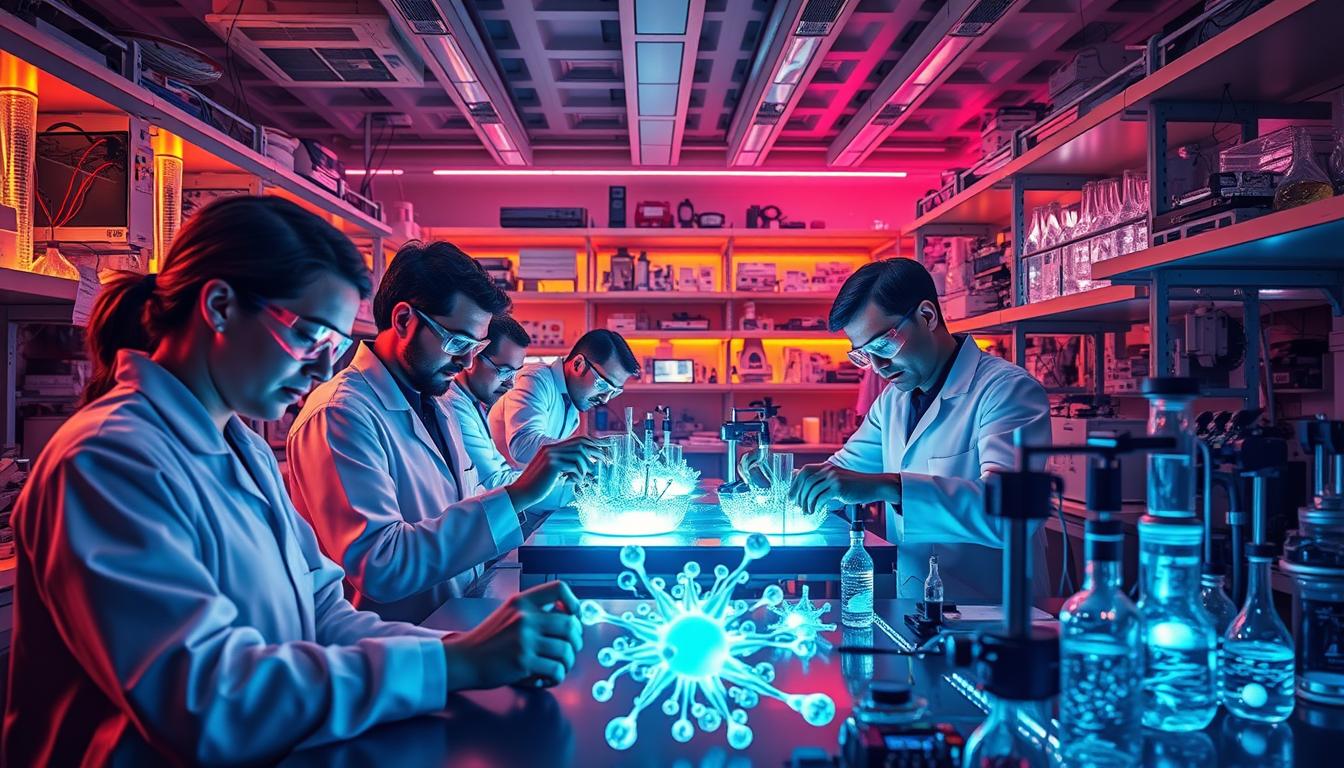
Museums like Harvard’s Peabody once showed oddities like the Fiji Mermaid—a fake “artificial organism.” Now, synthetic biology makes myths real. In 2010, the J. Craig Venter Institute created JCVI-syn1.0, the first synthetic cell, after 15 years and $40 million.
Five years ago, scientists made a synthetic organism with just 473 genes. This showed lab-created life is possible. Breakthroughs like Sanofi’s engineered yeast making malaria drugs and algae biofuel projects with Exxon show synthetic biology’s power.
Teams in the iGEM competition and companies like DuPont are using synthetic cells. They make flavors or bioplastics. Yet, challenges remain: five genes in recent synthetic organisms are a mystery to researchers.
The cost to sequence a human genome has dropped to $10,000 in eight days. This speeds progress. But labs designing artificial organisms raise safety and ethics debates. With billions invested, this field pushes the limits of natural and engineered life, asking big questions.
What is Synthetic Biology?
Synthetic biology is a new field that mixes biological engineering with advanced technology. It’s like “genetic engineering on steroids,” as Jim Collins says. This science creates biological parts, like genes or proteins, into systems that work like tiny machines inside cells.
“Genetic engineering on steroids.” — Jim Collins
At its heart, synthetic biology uses genetic circuits to program cells. These circuits are made by combining DNA sequences (via DNA synthesis) to control how organisms behave. For instance, scientists have made living machines like xenobots—tiny robots made of frog stem cells—that can move and repair themselves.
These creations use standardized biological parts, such as BioBrick plasmids, to work as expected.
Recent breakthroughs include synthetic DNA genomes (like the 2010 synthetic bacteria) and 2020’s xenobots. These tools help scientists solve big problems. They can design bacteria that eat pollutants or make vaccines fast. By treating DNA like code, synthetic biology is changing nature’s blueprints, one base pair at a time.
Key Applications of Synthetic Biology
Healthcare is seeing big changes thanks to synthetic biology. Now, we can make drugs like CAR-T therapies, which help fight cancer. For example, Novartis’ Kymriah changes immune cells to attack cancer. Studies show over half of lymphoma patients got better, but 13% had serious side effects.
Scientists are also working on early disease detection. They’re making cells that can spot cancer markers early. This means doctors can start treatments sooner.

In the environment, synthetic biology is helping clean up pollution. Microbes are being engineered to eat away at oil spills and break down plastics. Companies like Exxon Mobile are teaming up with Synthetic Genomics to make algae for biofuels.
This reduces our need for fossil fuels. These microbes turn waste into energy, which helps lower carbon emissions.
Food production is also getting a boost from synthetic biology. Yeast is now making vanilla and citrus flavors without needing orchids. This means less pesticide use. Crops are being changed to grow better in dry conditions, increasing food yields.
Startups are using synthetic biology to create plants that resist diseases. This ensures we have food without using harmful chemicals.
The market is growing fast, from $9.5 billion in 2021 to $37 billion by 2026. Synthetic biology is making a big difference. It’s helping solve big problems like disease detection and environmental cleanup.
Major Advances in Synthetic Biology Research
Breakthroughs in synthetic biology are changing what we know about life. In 2010, Craig Venter’s team at the J. Craig Venter Institute (JCVI) made history. They created the first synthetic cell, synthia, by putting artificial DNA into a host cell. This showed that synthetic DNA can control life’s processes.
Building on this, researchers made JCVI-syn3.0. It’s a bacterial cell with only 473 genes. This shows life can be simplified to its most basic parts.
In 2014, scientists made a complete synthetic yeast chromosome. This was a big step because yeast has a complex genome. It shows we can engineer more complex life forms.
These projects show that artificial DNA can be programmed like software. This lets us control biological functions with precision. Recently, scientists found seven more genes needed for JCVI-syn3.0 to survive. This helps us understand life’s basic needs better.
Today, labs are doing amazing things. Cells can now detect cancer, make biofuels, or clean pollutants. This shows how engineering and biology come together. With tools like CRISPR, we can use synthetic organisms to tackle big challenges like climate change and disease.
Ethical Considerations in Synthetic Biology
As synthetic biology grows, bioethics and artificial life ethics become more pressing. We face questions about creating life and its effects on society. This challenges our old views of life’s start and our role in it. Scientists must innovate while keeping safety in mind to avoid bad outcomes.

Biosafety steps like autoclaves and special nutrient needs help keep lab organisms in check. Some bacteria need lab-specific nutrients, acting as natural biocontainment barriers. These steps help lower the risk of accidents or harming the environment.
The regulation of synthetic biology is a big issue worldwide. The 2010 Presidential Commission said no immediate federal rules were needed. But, as tech evolves, we need new rules. MIT’s BioBricks registry shows how to standardize, but ethical debates continue about misuse risks.
Experiments like the 2003 mousepox virus study, which killed all mice, show the dangers. We need global teamwork to balance progress with biocontainment. Ethical checks must cover both the good and the bad sides of synthetic biology.
As synthetic life moves from labs to the wild, we need clear policies and public talks. Keeping artificial life ethics at the heart of research is key. This protects science and society.
The Future of Synthetic Life Forms
Synthetic morphology could change how life looks and works. Scientists like Michael Levin dream of creating programmable cells that form new structures. They imagine living machines made from skin, heart, or stem cells, like the xenobots.
These biocomputing systems could process data like computers. They blend biology with technology in a new way.
Artificial evolution might take life beyond Earth’s history. Researchers are testing bacteria with electronic circuits. They aim to create cells that sense pollutants or fix tissues on their own.
Studies on planarian worms show how they can reset their shape after injury. Scientists want to replicate this in synthetic morphology projects.
Future breakthroughs could let cells solve problems, like cleaning oil spills or making medicines. But, there are challenges: controlling programmable cells and ensuring safety. As labs worldwide explore these areas, the difference between natural and engineered life gets smaller.
The next decade might bring prototypes of self-sustaining living machines. They could change medicine, industry, and our view of life.
Prominent Organizations in Synthetic Biology
Leading synthetic biology companies and research institutions are making big strides. The J. Craig Venter Institute is at the forefront with projects like synthetic genomes. Synthetic Genomics, co-founded by Venter, links research with real-world uses. They work with places like MIT’s Center for Bits and Atoms to improve bioengineering.

The BioBricks Foundation promotes open-source biology with its public database. This allows people worldwide to access genetic parts. Their work helps the iGEM competition, which gets students involved in real projects. In 2013, 245 teams joined, and the number keeps growing.
Startups like Ginkgo Bioworks and Codexis show how synthetic biology is growing. Ginkgo designs organisms for various industries. Codexis creates enzymes for medicines. Companies like LanzaTech and Ecovative Design use these tools for green products and fuels.
Education and teamwork are vital. The iGEM competition helps students become future innovators. Partnerships between the J. Craig Venter Institute and companies show how research and industry work together. This makes synthetic biology a key player in medicine, energy, and farming.
Case Studies in Synthetic Biology
One groundbreaking example of practical applications is artemisinin synthesis. In 2013, Sanofi created synthetic yeast to make this life-saving malaria drug. They put genes from sweet wormwood into yeast cells. This made production cheaper and more reliable.
Living robots, like xenobots, are another marvel. Douglas Blackiston and Sam Kriegman made these self-healing, programmable organisms from frog stem cells. They can move and fix themselves, showing promise for drug delivery or cleaning the environment.
Synthetic biology also fights pollution. Scientists are making bacteria to clean up oil spills or plastics. This could help remove harmful substances from our environment. Plus, synthetic yeast is now making resveratrol in tomatoes, boosting their health benefits.
“These innovations show biology isn’t just studied—it’s redesigned to solve real problems.” — Dr. Douglas Blackiston
From making malaria drugs to creating self-repairing organisms, synthetic biology is versatile. These projects show how science can lead to real solutions. As we explore more, we can tackle big challenges like climate change, disease, and resource scarcity.
Public Perception of Synthetic Biology
Recent surveys show a lack of synthetic biology awareness among people. A 2018 CSIRO study of 4,593 Australians found 85% knew little to nothing about it. Yet, 71% said they wanted to learn more, showing a chance for better .

Media often shows synthetic biology in extremes. It’s seen as either saving the climate or creating “designer pathogens.” This mix-up causes confusion. For example, only 19% supported adding genes between species, but 40% were neutral.
Education levels also play a big role. Those with postgraduate degrees were 60% more supportive than those with only high school education. This shows how shapes opinions.
“Public interest in synthetic biology is high, but awareness remains low, highlighting the need for better science communication,” noted CSIRO researchers findings.
Building trust means having honest talks. Surveys found 63% want products made with synthetic methods labeled, like cosmetics or foods. Museums and universities are creating interactive exhibits to explain safety and ethics.
Getting science across starts with making it easy to understand. This can be through school programs or clear media stories.
Collaborations Between Scientists and Industry
Biotech partnerships are leading to big breakthroughs in synthetic biology. Companies like Exxon Mobile and Synthetic Genomics Inc., founded by geneticist J. Craig Venter, are making algae into sustainable fuel. These partnerships mix academic research with industry needs, speeding up new products.
Startups like Modern Meadow and Geno are making biodegradable materials for clothes and buildings. Geno’s bio-based nylon is used by Lululemon, cutting down on fossil fuel use. Cemvita’s eCO2™ tech turns carbon waste into plastics, showing how to fight climate change. In 2023, these ventures got $8 billion in funding, showing investors believe in synthetic biology’s $100 billion future by 2030.
But, there are hurdles. Making lab discoveries big enough for the market is hard because of high costs and rules. The TESSY project says standardizing methods is key. Without it, even great research can’t reach people. The EU’s FP-6 initiative tries to make policies and ethics match science.
As synthetic biology startups move toward the market, partnerships must balance new ideas with care. They’re changing fashion and building materials to be more sustainable. The goal is to turn science into products that help society and protect the planet.
Getting Involved in Synthetic Biology
Are you a student or looking to change careers? Synthetic biology offers many opportunities. High school teams around the world compete in the iGEM challenge. They use DNA parts from the BioBricks Foundation database to build projects.
These synthetic biology education programs are hands-on. Online courses and textbooks also provide synthetic biology resources for those who prefer to learn on their own.
Community labs, like DIY biology spaces, offer a safe place to experiment. Biohacking communities host workshops where beginners can try CRISPR kits or design microbes. These spaces encourage innovation without needing a PhD.
Online platforms even let users model genetic circuits virtually.
STEM careers in synthetic biology are diverse. They include lab research, bioengineering startups, and policy roles. Companies like Circe Bioscience and Kula Bio hire engineers, microbiologists, and computational biologists.
Regulatory agencies also need experts to shape policies for new technologies. The Wyss Institute’s startup incubators show how ideas can become solutions for climate change or healthcare.
Explore synthetic biology resources like the iGEM website or textbooks from leading researchers. Follow labs like JCVI to track breakthroughs in DNA synthesis. With tools like ChIP-seq and ISM methods becoming more accessible, now’s the time to dive in.
Every skill—whether coding, biology, or ethics—can shape the future of this field. Join the effort to tackle challenges from plastic waste to sustainable agriculture!